
Padel has gone from a niche racquet sport to one of the fastest-growing activities in Britain. New courts are appearing in city centres, leisure clubs, converted industrial buildings and even on the roofs of shopping centres. With celebrity backing, growing media coverage and major international tournaments arriving in London, the sport has clearly entered the mainstream.
Yet beneath the excitement lies an important question for the future of the game: can padel remain accessible as it grows, or is it in danger of becoming a premium pastime that many players struggle to afford?
What Makes Padel So Popular?
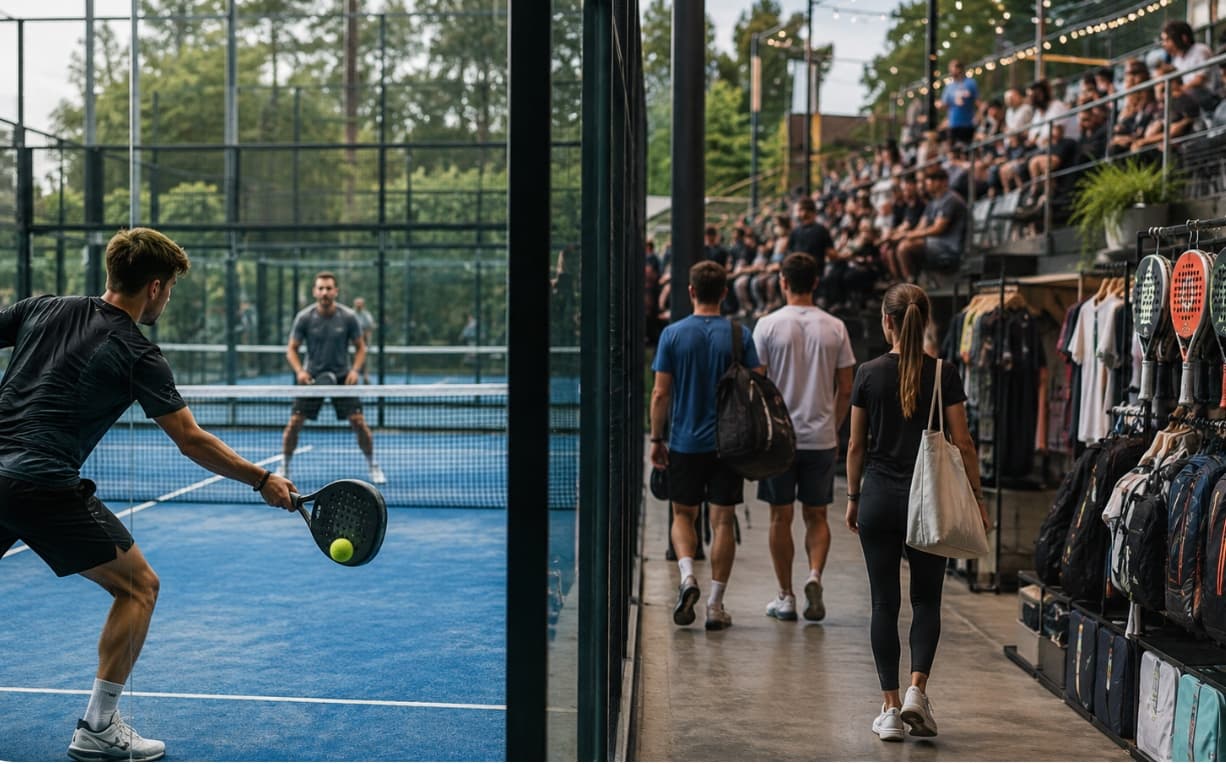
For anyone new to the sport, padel combines elements of tennis and squash. It is usually played in doubles on an enclosed court surrounded by glass and mesh walls, which allows the ball to stay in play for longer and creates fast, entertaining rallies.
One of the biggest reasons for its rapid growth is that it is much easier for beginners to enjoy than traditional tennis. Players can have competitive rallies within their first session, making it attractive to families, friendship groups and people looking for a social alternative to the gym.
The UK Court Boom
Only a few years ago there were very few padel courts in Britain. Since 2019, however, the number has increased dramatically, with hundreds of new venues opening across England, Scotland and Wales.
Investment from sports entrepreneurs and high-profile figures has accelerated the expansion. Booking apps have also made it much easier for players to find courts, join social games and connect with others in their area.
This rapid growth has created a sense that padel is suddenly everywhere – but availability has not always kept pace with demand.
Why Are Some Courts So Expensive?
In many parts of the UK, a standard court booking costs between £30 and £50 per hour. Split between four players, that can feel reasonable. However, prices in major cities can be significantly higher, particularly during evenings and weekends.
Premium venues in central London have attracted attention for charging close to £100 per hour for a court, putting a single session out of reach for many casual players.
Operators argue that these prices reflect the reality of running sports facilities in expensive urban locations. Rent, business rates, staffing, utilities and the cost of constructing indoor courts are all substantially higher than in many European countries where padel is already well established.
The Real Cost Goes Beyond Court Hire
Court fees are only part of the picture. Players who become enthusiastic about padel quickly discover that the equipment can add up.
A decent beginner racquet may cost around £50-£100, while advanced models can exceed £200. Balls lose their pressure relatively quickly, overgrips need regular replacement and many players eventually invest in padel-specific footwear.
For someone playing several times a week, the annual cost of equipment and court bookings can become a significant commitment.
The Risk of an Exclusive Image
One of the concerns surrounding the sport is the perception that padel is becoming associated with affluent professionals and private health clubs.
Social media jokes about corporate players and expensive racquets may be exaggerated, but there is a genuine debate about whether high prices could limit participation. If regular play becomes too costly, newer players may struggle to improve and the sport could lose some of the inclusivity that has helped drive its popularity.
Public Courts Could Be the Key
Many people involved in the sport believe the long-term solution is a broader mix of facilities. Spain provides a useful example, where thousands of municipal and community courts sit alongside private clubs, helping to keep prices relatively affordable for everyday players.
The Lawn Tennis Association has been working with local authorities to increase the number of publicly accessible courts in parks and leisure centres. If that expansion continues, competition between operators could gradually help bring prices down.
Not Everyone Is Being Priced Out
It is important to note that a number of UK clubs are already making efforts to widen access. Student discounts, off-peak memberships, women-only sessions, junior coaching programmes and community initiatives are becoming increasingly common.
These schemes are particularly important because they help attract groups that have traditionally been underrepresented in racquet sports, including women, children and older adults looking for a more accessible way to stay active.
Growing Pains: Noise and Public Space
Padel's expansion has also created challenges beyond affordability. Because the game is played in an enclosed court with hard surfaces, the sound of racquets and balls can be surprisingly loud.
Some proposed developments have faced objections from local residents concerned about noise, while others have sparked debates about the use of public park space. Councils are increasingly having to balance the demand for new sporting facilities with the need to preserve free, open areas for the wider community.
Where Does UK Padel Go From Here?
The next few years will be crucial for the sport in Britain. Participation is rising rapidly, international events are bringing greater visibility and investors remain keen to back new venues.
The challenge is ensuring that growth does not come at the expense of accessibility. If affordable community courts continue to expand alongside premium clubs, padel has the potential to become a genuinely mainstream sport enjoyed by people of all ages and backgrounds.
If prices remain stubbornly high and court availability stays limited, however, the sport risks developing a reputation as an exclusive leisure activity rather than the easy-to-learn, highly social game that has made it such a success around the world.
For now, one thing is certain: Britain has fully embraced padel. The bigger question is whether the country can build a padel culture that is not only exciting and fashionable, but also affordable enough for ordinary players to enjoy regularly.