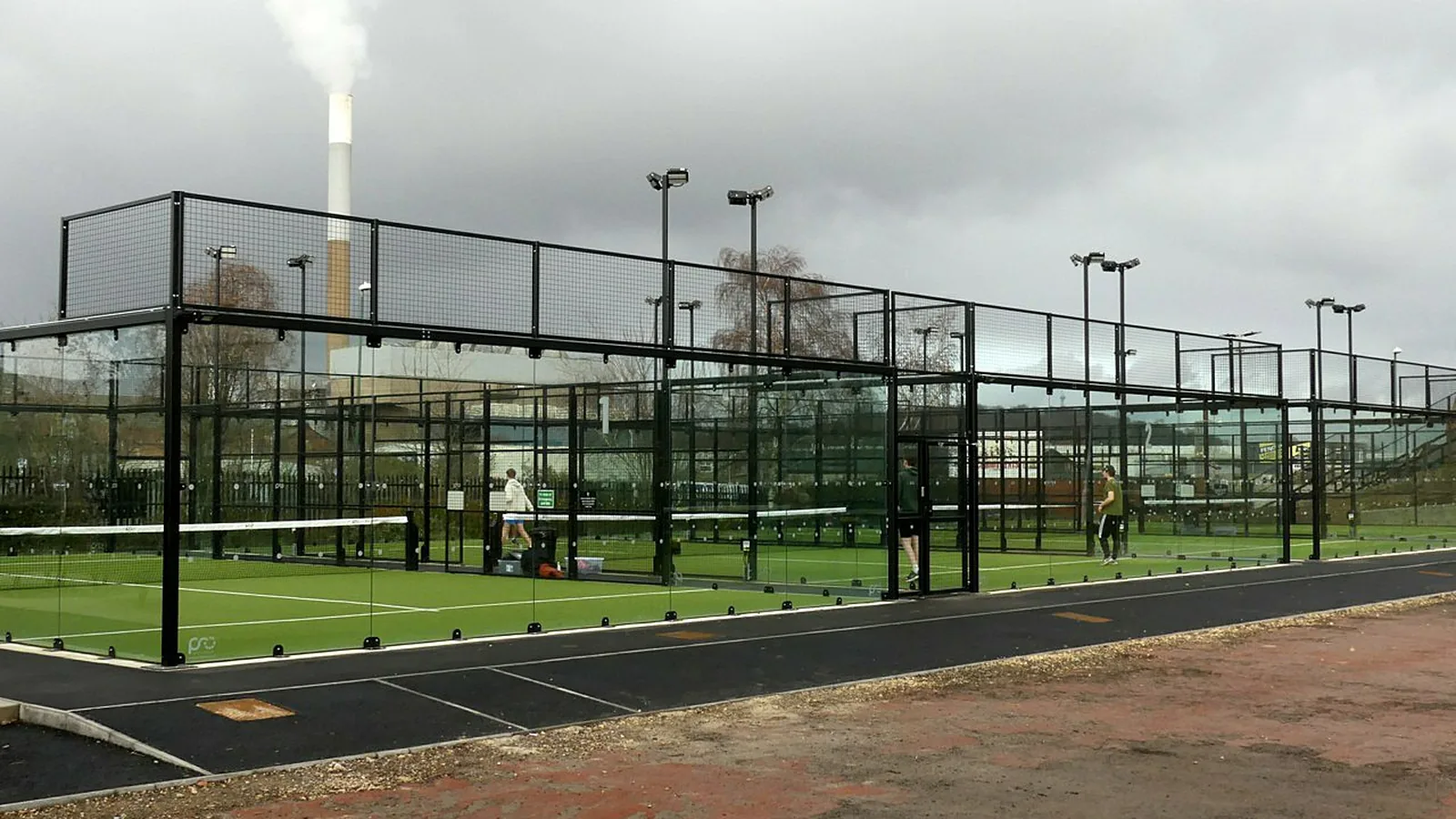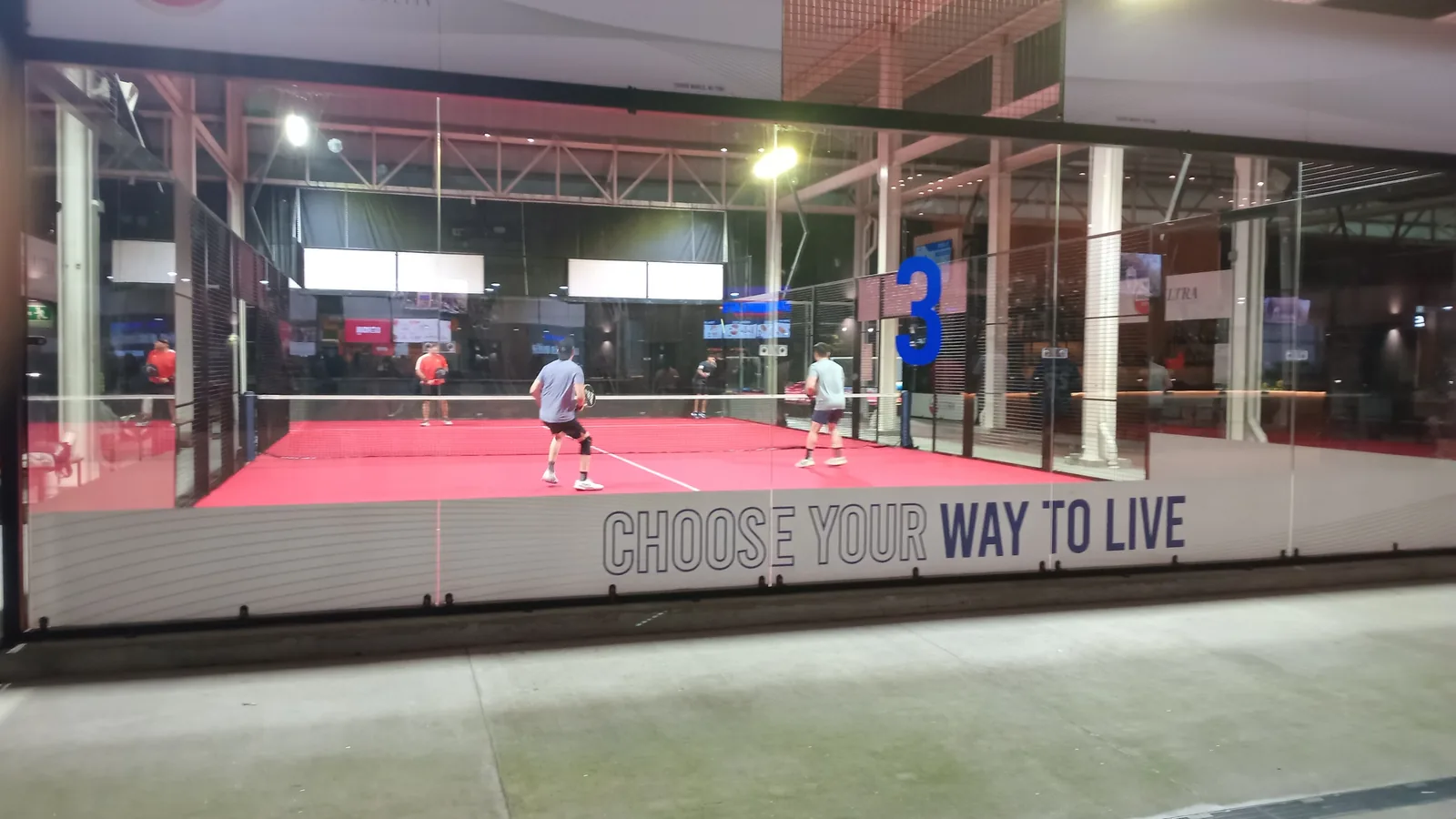

Britain had 69 padel courts when the LTA took over the sport in 2020. By May this year it had 1,825, spread across 551 venues, and the governing body announced that a million people now play. Court numbers more than doubled in under 18 months. Figures like these make good headlines, but they also raise an awkward question about how long the building can continue.
The answer depends on which courts you mean.
What the numbers actually say
Participation has climbed faster than almost anything else in British sport. The LTA counts 15,000 players in 2019, 129,000 in 2023, 400,000 at the end of 2024 and 860,000 at the end of 2025. Then came the million in May.
Read the definition before celebrating. The 860,000 figure covers anyone who played at least once in the previous year. Someone who tried padel at a work social and never came back sits in the same column as a person who books a court every week. The million is real, but it overstates the committed base.
The court figures need the same scrutiny. The LTA reported 1,553 courts at 559 venues at the end of 2025. By May it reported 1,825 courts at 551 venues. Courts rose by 272 while the venue count slipped by eight. The LTA does not say whether closures or recounting explain the dip, but the average site grew from 2.8 courts to 3.3, so larger sites are doing the heavy lifting.
Spread a million players across 1,825 courts and you get roughly 550 players per court. Many of them play occasionally, which is exactly the problem for an operator who needs every evening slot filled.
Norfolk shows the gap between big and small sites
Norfolk makes a useful test case because its tennis body publishes the detail. As of January 2026 the county had eight padel venues and 23 courts. Court de Padel in Norwich accounts for eight of them, more than a third of the county's total under one roof. Diss-Heywood Tennis & Padel Club has two.
Those two sites face very different questions. An eight-court operation in a city can run leagues, coaching blocks and social sessions across the week, and it needs to, because an empty court at 2pm on a Tuesday costs real money. A two-court club in a market town has fewer overheads and an existing tennis membership to draw on. I'd back the second model to last, mainly because it never needed padel to be a gold mine.
The pressure point is the mid-sized independent that opens in a town where a rival with more courts is already established.
London still sets the pace
London remains the biggest padel market in the country by both courts and players, and trade reports say slots at well-established clubs often sell out days ahead. Rocks Lane Padel Centre in Chiswick hosted the 2024 Euro Padel League final, which tells you where the sport's commercial centre of gravity sits.
Dense population, deep wallets and a long record of racket-sport participation give London operators a cushion that most other regions lack. New sites there still carry risk, but they start with a bigger pool of potential customers.
Who pays for the courts nobody wants to build?
Councils and public money
Private money has driven nearly all of this growth. The LTA and the LTA Tennis Foundation have put more than £7.5 million into court construction, which attracted a further £10.5 million and produced 112 courts at 57 venues. Those venues must offer accessible community provision. Still, 112 courts is less than one in ten of the 1,553 that existed at the end of 2025.
Manchester shows how councils got involved. According to the LTA's Tom Murray, Manchester City Council was swamped with enquiries from operators wanting to build courts, so it asked the LTA for help. The LTA then planned to repeat the approach with other local authorities. The government has committed £3 million to covered padel and tennis facilities in 2026/27, which the LTA expects to fund about three projects. Three projects will not change the picture.
Coaches and juniors
Qualified coaches are the other gap. The LTA says the sport needs more of them, along with a stronger competition structure and better safeguarding. Juniors matter here because they are the next wave of regulars. The Padel Club at Gloucester Quays has hosted LTA National Junior Performance Camps for around 50 young players in a single weekend. That is encouraging. It is also small next to a million.
My verdict
So is the boom sustainable? At the current pace, no. The court count has outrun the evidence of regular play, and around two-thirds of participants already play tennis, so the sport has tapped its easiest audience first. Growth from here has to come from people who have never picked up a racket, and that takes coaches, cheaper access and patience.
I don't expect a collapse. I expect a shake-out among sites that opened late, in the wrong catchment, with too few courts to build a community. London, the big multi-court centres and the tennis clubs adding a pair of courts will be fine. The squeeze will land on everyone in between.
The healthiest outcome is slower building and better use of what already exists. Britain does not need another 800 courts in 18 months. It needs more people hitting a ball three times a week on the ones it has.