
Padel looks simple from the sidelines. Two pairs, a smaller court, a bit of glass at the back. Then you step on court for the first time and nothing goes where you expect. These nine tips come from what actually trips beginners up, not from a textbook.
1. Forget your tennis serve
If you've played tennis, your instinct is to smash the serve. Padel doesn't allow it. The serve must be underarm, hit below waist height, and the ball has to bounce first. Most new players double fault repeatedly in their first session simply because old habits take over. Slow down, drop the ball properly, and aim for consistency over power.
2. Learn to use the glass and mesh
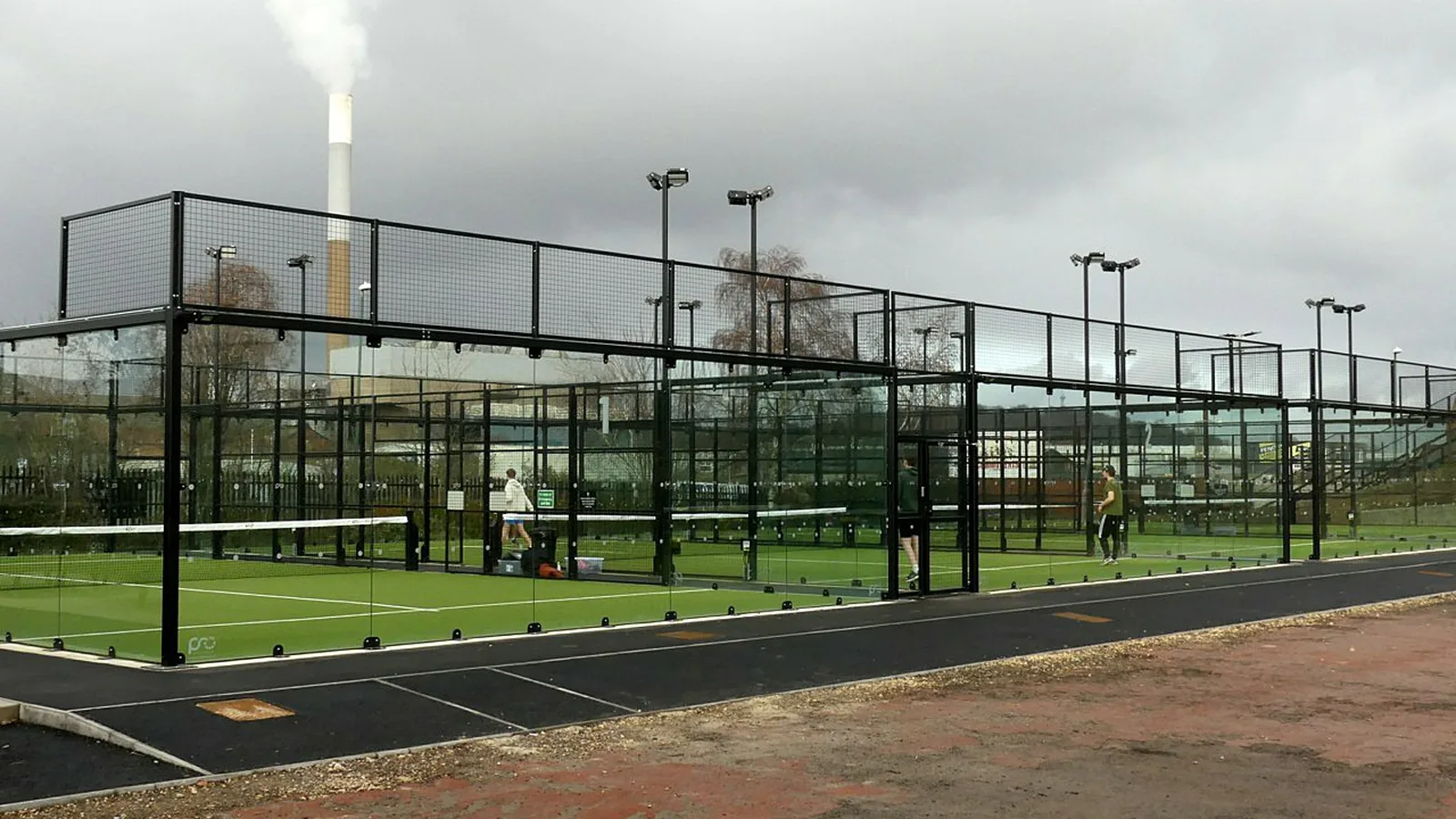
The walls aren't there to punish you. They're part of the game. Once a ball bounces on your side of the court, it can rebound off the back glass and you're still allowed to play it. Beginners often panic and swing early, missing the rebound entirely. Watch how the ball comes off the glass at your local club a few times before you try it yourself.
A quick word on mesh versus glass
Mesh sections behave differently to glass. They deaden the ball rather than bouncing it cleanly, which catches out anyone expecting a consistent rebound. This is one of the reasons padel takes longer to master than it looks.
3. Stand at the net, not the baseline
In padel, the net is where points are won. New players often retreat to the back of the court because it feels safer, but this hands control to the opposition. Coaches at a club in Altrincham run a specific drill for this: two beginners are told to hold their position at the net for ten shots without retreating, no matter how uncomfortable it feels. Most manage it by their third attempt. It builds confidence fast.
Holding the net position also means volleying more and smashing less, which suits most beginners anyway.
4. Buy a beginner-friendly racket
Round-shaped rackets with a soft core are far more forgiving than the diamond-shaped, hard-core rackets aimed at advanced players. A diamond racket generates more power but has a smaller sweet spot, and beginners rarely need extra power anyway. Expect to pay between £60 and £120 for a decent entry-level model. Don't be tempted by whatever the top-ranked pro is using. Check out our padel equipment reviews here.
5. Play with better players early
It's tempting to stick with friends at your own level, but you improve faster playing against people who are slightly better. A club in Horsham runs a mixed-ability social session every Wednesday evening, charging £8 for ninety minutes, and beginners who attend regularly report faster progress than those who only play with their own group. Being outclassed occasionally is good for you.
6. Master the bandeja before the smash
The bandeja, a controlled overhead shot played without much power, is more useful to a beginner than the smash. It keeps you at the net and in control of the point. Most new players want to learn the smash first because it looks impressive, but that's the wrong priority. Learn the bandeja properly and the smash will come more naturally later, once your footwork and timing catch up.
7. Communicate constantly with your partner
Padel is doubles only, and silence between partners causes more lost points than bad shots do. Call the ball early, tell your partner whether you're taking it or leaving it, and agree beforehand who covers the middle. This sounds obvious, although it's the single most common gap between club players and complete beginners.
8. Don't obsess over scoring rules on day one
Padel uses the same scoring as tennis, which confuses players coming from squash or badminton backgrounds. Rather than memorising every rule before you start, play a few casual matches and let the scoring sink in naturally. You'll pick it up within two or three sessions without trying.
9. Book lessons before you settle into bad habits
A block of four or five beginner lessons early on is worth more than months of casual play without guidance. A coach at a club near York charges around £25 per person for a group lesson, and most beginners who take that route correct their grip and positioning faster than those who learn purely from friends. Bad habits picked up in the first few weeks are hard to unlearn later, so it pays to get the basics right from the start.
A final word
Padel rewards patience more than raw athleticism, which is exactly why it suits such a wide range of players. Stick with the net, communicate with your partner, and resist the urge to smash everything. Do those three things consistently and the rest of your game will follow. Anyone who tells you padel is easy to pick up has probably forgotten their own first session.