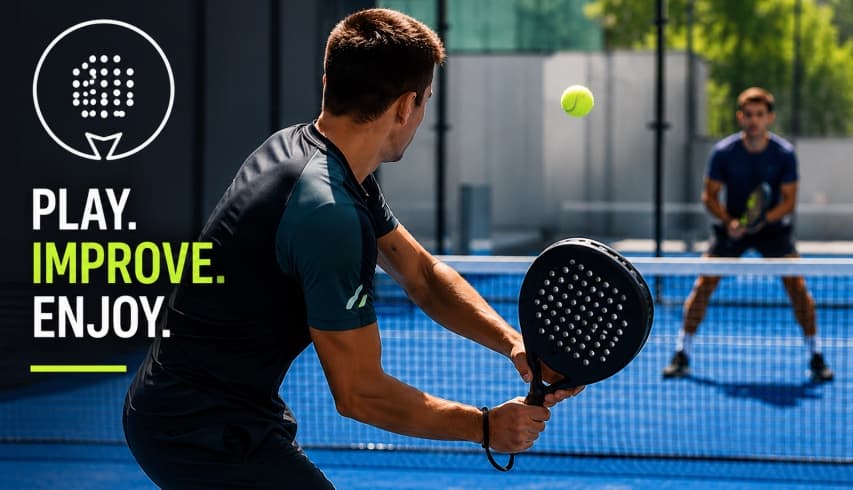
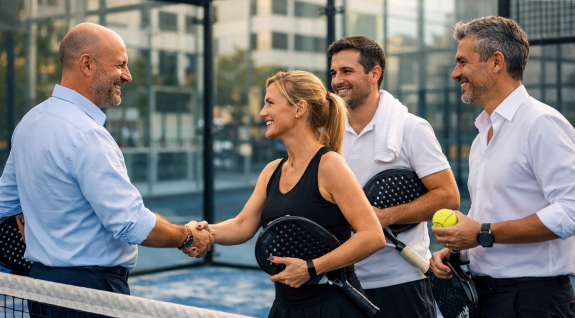
Golf shaped British business culture for decades. Deals were discussed over four hours on a fairway. Now a faster sport is taking its place. Padel courts are filling with founders, lawyers and investors who want sharp rallies, clear talk and a match finished before lunch.
In cities across England, padel has shifted from leisure trend to business tool. Clubs report weekday mornings packed with directors and consultants who bring rackets instead of laptops. The format suits modern work. Meetings need pace. Attention spans are short. Time is scarce.
Padel offers sixty minutes of focus and conversation. That balance appeals to people who once defaulted to golf. The change is cultural, practical and commercial.
Is padel really replacing golf as the sport of business? In many sectors, yes. The court now hosts introductions, negotiations and partnerships that once unfolded between tee and green.
Why Golf Dominated Business for So Long
Golf provided privacy and time. A fourball could stretch across half a day. Phones stayed in bags. Walking between shots allowed steady conversation. Deals grew at a gentle pace.
Courses in Surrey, Cheshire and Kent became informal boardrooms. Membership signalled status. Access created opportunity. A shared handicap built rapport.
Yet golf demands hours, travel and patience. Many younger professionals reject that rhythm. They want sport that fits around work, not sport that replaces it.
The Time Factor: Ninety Minutes Beats Four Hours
A standard padel match lasts between sixty and ninety minutes. That suits a morning slot before the office or a late afternoon break. Two short sets allow competition without exhaustion.
In Manchester, courts at the Padel Club Trafford open before 7am. Solicitors and property developers book early slots. They finish a match and head straight to meetings in the city centre.
In London, venues near Canary Wharf attract finance teams who want activity without losing half a day. A quick shower and they are back at their desks.
Speed changes who can attend. Parents, founders and freelancers all manage the schedule. Golf rarely offers that flexibility.
Access and Inclusivity on Court
Padel is easy to learn. Beginners rally within ten minutes. The underarm serve removes intimidation. Walls keep points alive. Rallies feel rewarding from the first session.
That matters in business settings. A sport that excludes novices limits networking. Golf often exposes skill gaps. High handicaps slow play. Embarrassment can creep in.
On a padel court, four players share the space. Mixed ability works. A senior partner can pair with a junior analyst. Gender mix feels natural. The court is enclosed and social.
Clubs in Bristol, Leeds and Liverpool report strong female participation during corporate sessions. That shifts the tone of business sport. Golf’s membership base still skews male and older.
The Social Geometry of the Court
Padel is always doubles. That format forces interaction. Players stand close. They switch ends. They talk between points.
The glass walls keep the ball in play and the conversation flowing. Laughter breaks tension. Mistakes feel light. Competitive spirit remains, yet the atmosphere stays friendly.
A typical business match pairs clients and hosts across the net. That creates natural rotation. Partners change sides for a second set. Fresh pairings spark new dialogue.
Golf separates players across wide fairways. Long walks can isolate individuals. Padel compresses space and time. That compression builds connection faster.
Health, Image and Modern Leadership
Executives now promote visible wellbeing. Staff expect leaders who value fitness. A weekly padel game signals energy and balance.
Research from Sport England in 2023 showed racket sports improve cardiovascular health and coordination. Short, sharp bursts raise heart rate quickly. Sessions burn between 400 and 600 calories.
Golf burns fewer calories and demands less movement. Some leaders still prefer its calm pace. Others seek intensity that matches modern work.
Photographs on LinkedIn show rackets, team selfies and glass courts. That imagery feels current. It aligns with start up culture in Birmingham and tech firms in Cambridge.
Corporate Leagues and Structured Networking
Clubs now run business leagues. Teams from law firms, estate agencies and marketing companies compete across a season. Matches rotate weekly. Results are published online.
In Sheffield, a corporate league launched in 2024 filled within weeks. Twelve companies entered teams. Spectators stayed for coffee after matches. Conversations carried into the clubhouse.
Structured play removes awkward small talk. Competition provides a shared goal. Scores create talking points at the next meeting.
Sponsorship adds another layer. Brands place logos on courts and event banners. Exposure reaches decision makers in a relaxed setting.
Cost and Space: Courts Fit the Modern City
A golf course requires vast land. Maintenance costs run high. Membership fees follow.
A padel court measures twenty metres by ten. Developers convert warehouse units or unused tennis courts. Urban sites in Nottingham and Reading now host multiple courts under one roof.
Lower overheads translate to lower entry costs. Corporate bookings remain affordable. That widens the pool of participants.
City councils support installations in leisure centres. The Lawn Tennis Association reported over 200 courts across Britain by late 2024. Growth continues each quarter.
Does Golf Still Hold Power?
Golf retains prestige. Historic clubs carry weight. Some sectors still value that tradition. Private equity and property circles maintain long standing links to certain courses.
Yet younger professionals set new habits. They choose sports that mirror their pace. Padel fits shorter attention spans and denser diaries.
Business culture reflects broader society. Flexible work patterns influence leisure. A court near the office feels practical. A rural course feels distant.
The Court as a Modern Boardroom
Deals still require trust. Sport accelerates trust. Shared effort builds respect. A close match reveals temperament.
Padel exposes communication style. Players call shots, cover space and encourage partners. Those habits mirror workplace traits.
A founder who stays calm at match point sends a clear message. A manager who supports a struggling partner earns quiet credit.
Conversations continue over coffee after the final point. Decisions often follow within days. The rhythm suits contemporary business.
Golf shaped the last era. Padel defines this one. Across London, Manchester and Bristol, the court now replaces the fairway. The racket rests where the club once stood. Business adapts, and sport adapts with it.