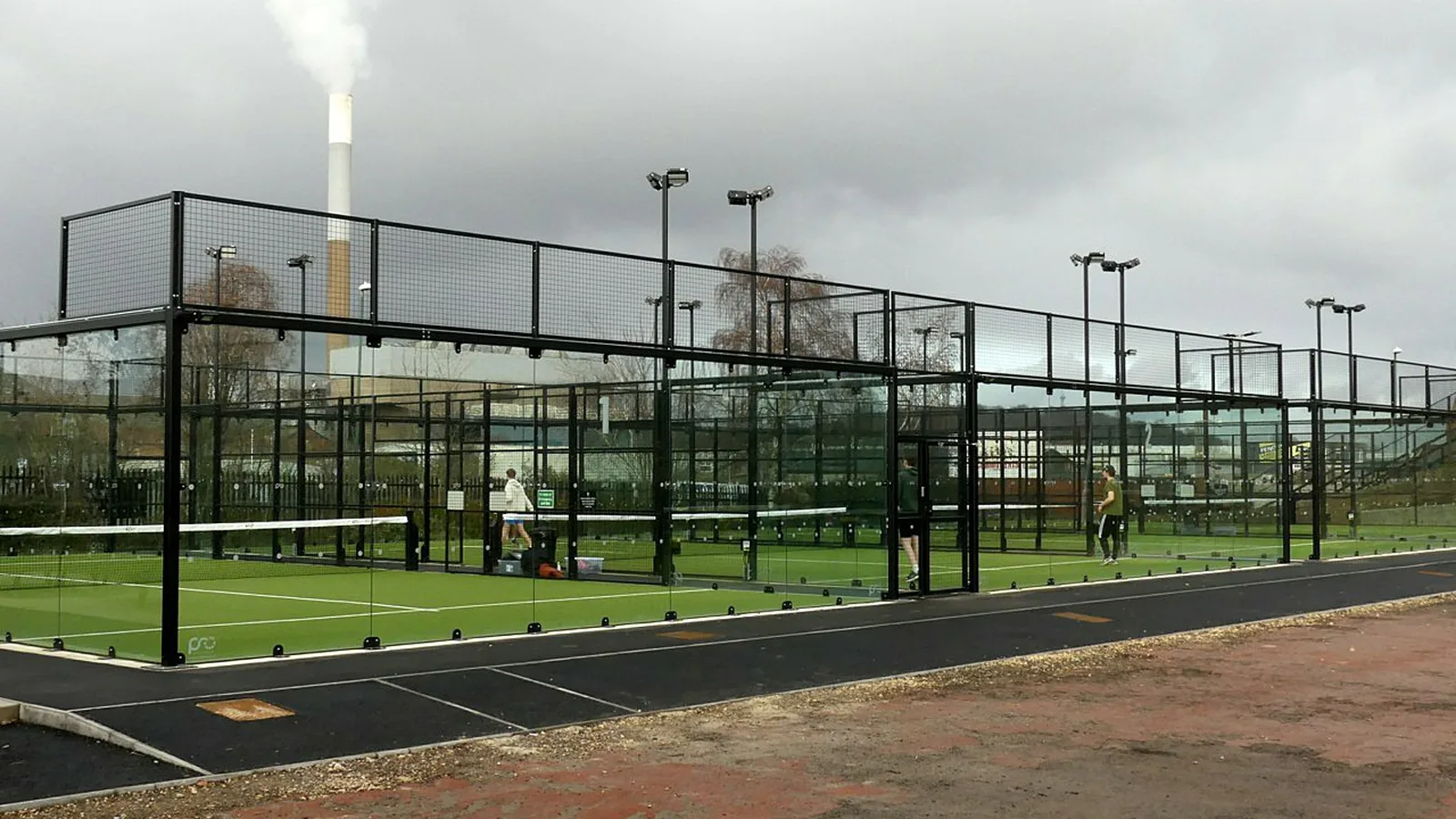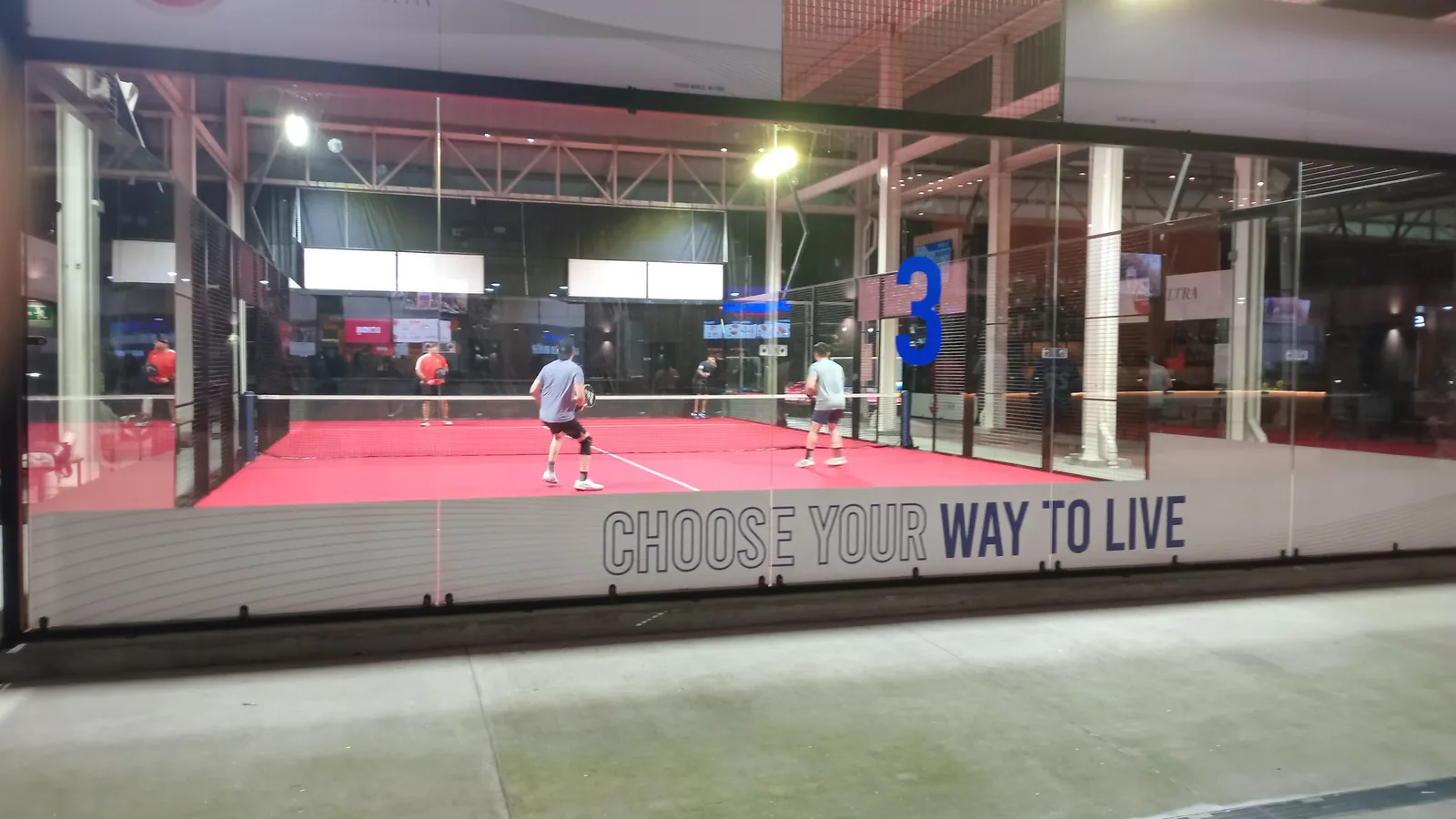
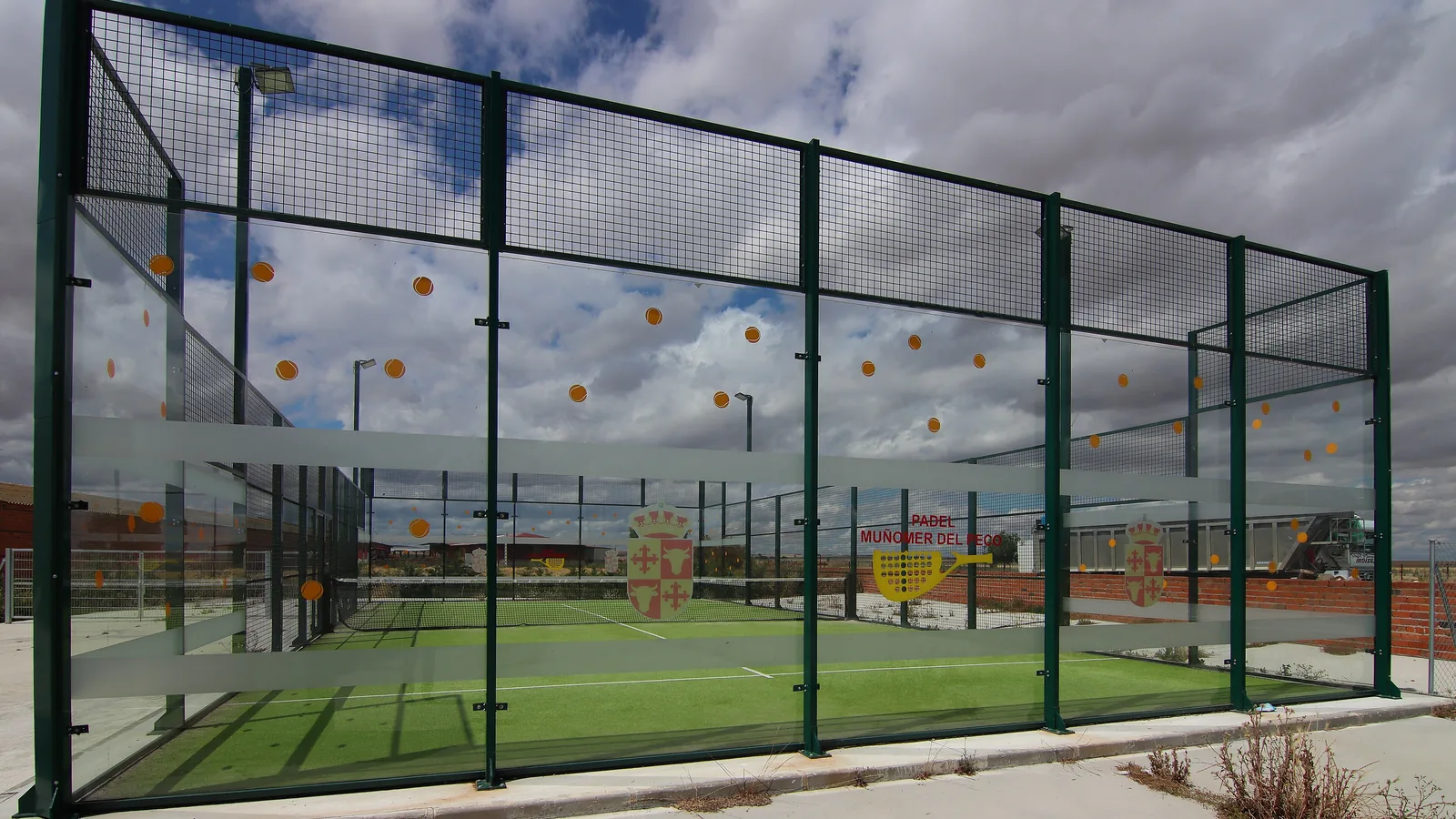
Padel courts are going up faster than most councils can process the planning applications. Five years ago you'd have struggled to find a court within an hour's drive of most UK towns. Now there are well over 500 venues and the number keeps climbing. But growth this fast always leaves gaps, and padel's gaps are becoming obvious.
We looked at this topic in an earlier blog post. Start with the good news, because there is plenty of it. Participation figures released by the Lawn Tennis Association put the number of regular players somewhere in the hundreds of thousands, up from a tiny base in 2019. Private operators have piled in, converting old tennis courts, disused warehouses and car parks into padel venues at a pace that has surprised even the sport's most bullish advocates. In Altrincham, a former squash club spent eighteen months and roughly £300,000 converting two of its four courts to padel after membership data showed padel taster sessions were outselling squash lessons three to one. That kind of local pivot has happened dozens of times over.
Why the growth is real, not hype
Padel works because it solves a problem tennis and squash never quite cracked: it's genuinely easy to pick up. You can hit a decent rally within twenty minutes of your first lesson, because the smaller court and the walls that keep the ball in play forgive a lot of technical error. That accessibility matters more than any marketing campaign. Coaches consistently report that mixed-ability groups, including complete beginners playing alongside club players, can share a court without the session collapsing into farce.
The social format helps too. Padel is almost always doubles, which means four people, a shared court fee, and a natural post-match pint. Compare that with the often solitary grind of a gym session and you can see why corporate wellness budgets and Friday-night friend groups have both latched onto it.
There's also money behind it. Premier padel brands, sportswear companies and even a few Premier League-adjacent investors have put serious capital into UK venues over the past three years, treating the sport as the next Peloton-style growth story. Whether that comparison holds up is another matter, and I'd argue it's shakier than the investment decks suggest.
The barriers nobody wants to put in a press release
Court access is the biggest one. Demand has outstripped supply in most cities, and peak-time slots in places like Ipswich now get booked out within minutes of release. One club owner there told me her Tuesday 7pm slot has a waiting list longer than her actual membership was in year one. That's not a sustainable pattern. It's a sign that supply, not enthusiasm, is the constraint.
Cost is the second barrier, and it's a real one for a sport that markets itself as accessible. Court hire in and around London can run to £60 or £70 an hour, split four ways that's manageable, but equipment, coaching packages and league fees add up quickly. A beginner racket alone can cost £150. Contrast that with a tennis racket at a similar entry price point that will last a casual player for years, and padel's cost-per-session starts to look less friendly than the sport's image suggests.
Planning permission is the quiet killer of expansion plans. Padel courts need floodlighting, fencing and often noise mitigation, and local objections have stalled or blocked proposed venues in several areas. Basingstoke saw a proposed six-court development shelved in 2024 after residents raised concerns about evening noise and traffic, a story that has repeated itself, with local variations, across the country. Operators who assumed councils would wave projects through have learned otherwise.
Facility quality is wildly inconsistent
Not every court is built to the same standard. Some venues use proper Panoramah or Mondo glass and turf systems that play true. Others have clearly cut corners, with uneven bounce and glass that flexes more than it should. Players who try a poor court early in their padel journey sometimes give up on the sport entirely, assuming that's just how it plays. That's a genuine risk to long-term retention, and it's one the sport's governing bodies haven't addressed with much urgency.
What the next few years probably look like
Expect consolidation. A number of smaller, independent operators who rushed into the market on optimistic projections will struggle once court-building costs and energy bills eat into margins, and some will be bought out or close. The stronger chains, the ones with proper capital behind them and a realistic view of local demand, will keep expanding, but more carefully than in the initial land grab of 2021 to 2023.
Coaching infrastructure needs to catch up too. Right now there aren't enough qualified coaches to meet demand, which pushes up lesson prices and, in some cases, lowers quality as clubs bring in undertrained staff to fill gyms. The LTA and independent padel bodies have coaching pathways in motion, but they're playing catch-up against a sport that grew faster than the qualification system could handle.
Will padel become as mainstream as tennis in Britain? Probably not, at least not within a decade, because tennis has a century of club infrastructure, school programmes and cultural weight that padel simply hasn't built yet. What padel will likely become is a permanent fixture alongside it, a genuinely popular second racket sport rather than a passing fad. That's not a bad outcome. It's just a more grounded one than some of the breathless growth charts suggest.
For players, the practical advice is straightforward. Book early, check the court quality before committing to a membership, and don't assume every venue charges the same for equipment or coaching. The sport is worth the enthusiasm. It just isn't quite as frictionless as the adverts make out.