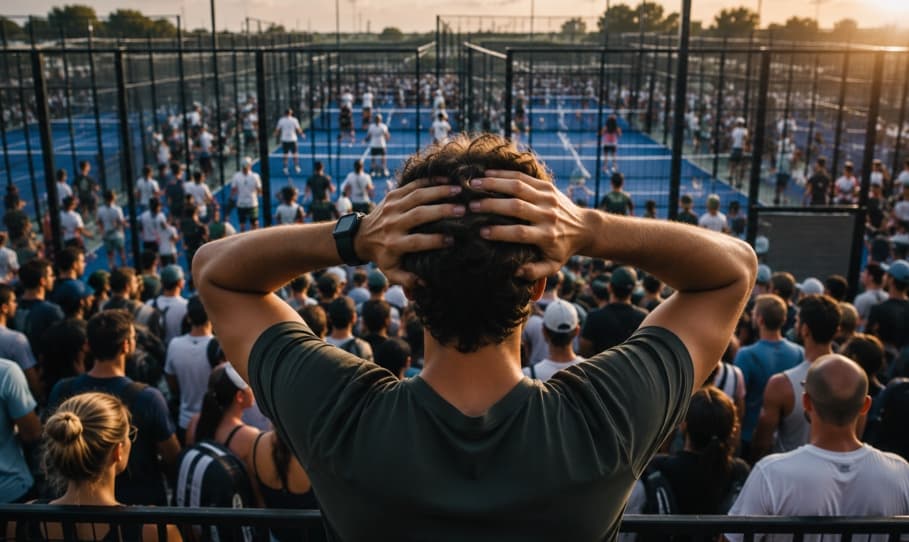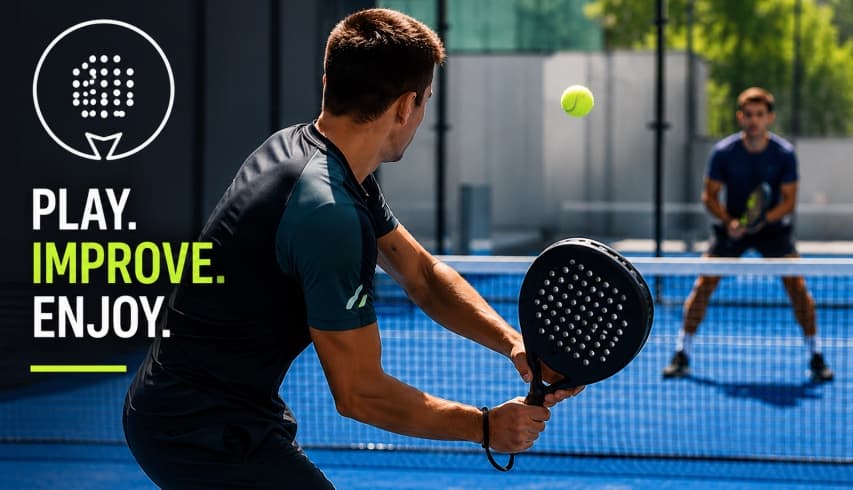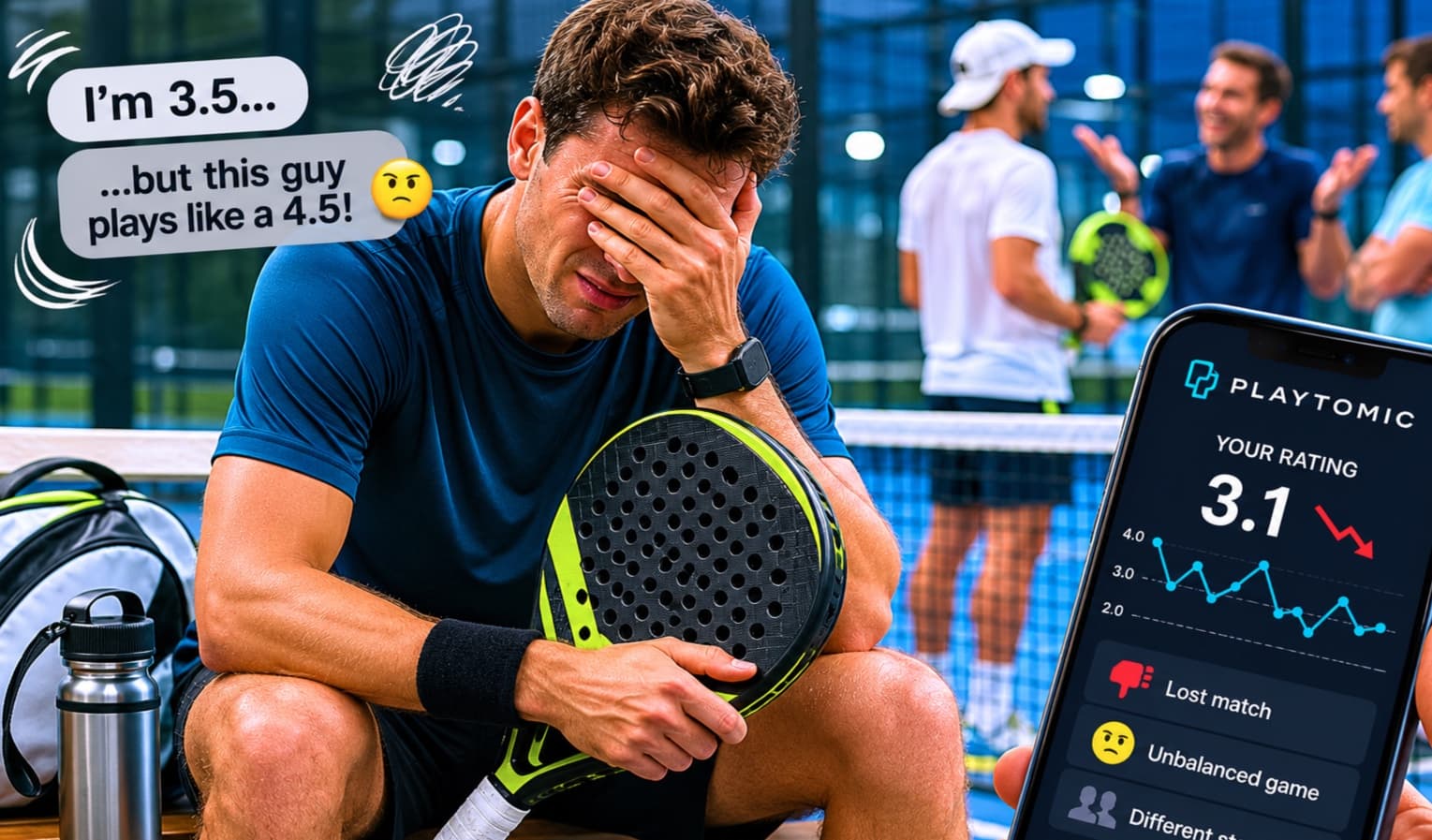

Many people drift away from sport after 40. Knees complain, time shrinks, and old routines lose their pull. Padel steps into that gap with rare confidence. It offers competition without punishment, learning without frustration, and connection without pressure. For thousands across the UK, it becomes the sport they did not plan to find, yet quickly protect.
The moment the first sport stops giving back
For many adults, the first sport followed a straight line. It began at school, peaked in the twenties, then demanded more than it returned. Football asked for sharp turns and late tackles. Running asked for endless miles. Squash asked for lunges that felt fine at 25 and reckless at 45.
The body sends clear signals at this stage. Recovery slows. Small injuries linger. Warm ups stretch longer than matches. The mind stays willing, yet the cost feels higher each year.
This is not failure or decline. It is a normal shift in capacity and priorities. A second sport fits into this phase. It respects the body’s limits and keeps the competitive spark alive.
Padel fills that role with unusual precision. It keeps intensity but removes excess strain. It keeps skill but trims the learning curve. It keeps rivalry but places it inside a social frame that suits adult life.
Lower impact does not mean lower effort
Padel places less stress on joints than many court and field sports. The court is smaller. The rallies rely on placement and timing rather than raw pace. The underarm serve removes a common trigger for shoulder pain.
This does not mean padel lacks physical demand. Heart rates rise fast. Legs work hard in short bursts. Core strength matters on every shot. The difference sits in repetition and load.
Players change direction often, yet over shorter distances. Jumps are rare. Sprints stay controlled. Falls almost never happen. These details add up across weeks and months.
A 2022 Sport England participation review showed racket sports with smaller courts had higher retention rates among adults over 40. Injury dropout fell sharply compared to football and distance running. Padel fits this pattern closely.
The learning curve suits adult brains
Padel rewards anticipation more than reflex. It values patience more than force. These traits often improve with age.
The glass changes how points unfold. The ball stays in play longer. Players gain time to read patterns and adjust position. This suits adults who think ahead rather than chase.
Can someone new to padel feel competent within weeks? Yes, and that early progress explains much of its pull.
Basic rallies arrive quickly. Matches stay competitive even between mixed ability pairs. Early success builds confidence, which feeds consistency.
This matters after 40. Adults rarely enjoy feeling like beginners. Padel allows learning without embarrassment. Improvement shows up fast and stays visible.
Doubles play spreads the load
Padel is played almost entirely as doubles. This changes the physical and mental equation.
Court coverage splits in half. Long chases disappear. Partners share responsibility for points won and lost. Energy lasts longer across a session.
Doubles play supports communication and trust. Players talk between points. They adjust tactics together. Silence feels unusual on a padel court.
This social structure protects enjoyment. Bad days soften when shared. Good days feel richer with company.
For adults who juggle work, family, and limited recovery time, this shared effort makes regular play realistic rather than draining.
Padel fits real adult schedules
Time becomes the tightest resource after 40. Training plans collapse under meetings, school runs, and travel.
Padel sessions rarely demand more than 60 to 90 minutes. Warm ups stay brief. Courts book in neat blocks. Matches end on time.
Clubs across the UK design padel sessions around working lives. Early mornings fill fast. Lunchtime leagues thrive. Evening socials replace long training nights.
This structure supports habit. Players return twice a week without reshaping their lives. Consistency builds fitness quietly.
Competition without confrontation
Many adults miss competition yet dislike aggression. Padel strikes a careful balance.
Matches stay intense. Points matter. Rankings and leagues exist at every level. Yet the culture discourages intimidation.
The enclosed court keeps players close. Eye contact is constant. Celebrations stay measured. Poor behaviour feels exposed rather than hidden.
In UK clubs, post match conversation forms part of the routine. Players swap partners and stories. Rivalry fades fast once the gate opens.
This tone suits players who want to test themselves without reliving the edge of younger sport.
Skill keeps improving well past 50
Padel allows technical growth across decades. Shot selection sharpens. Positioning becomes instinctive. Touch improves with repetition.
Strength peaks earlier in life. Skill does not follow the same curve. Many padel players report their best performances in their late forties and fifties.
Spanish and Swedish participation data show strong league density among players aged 45 to 60. UK clubs mirror this trend as the sport matures.
Progress feels earned rather than chased. Small gains matter. Matches reward calm decisions under pressure.
Injury management feels built in
Adults carry old injuries. Knees, backs, shoulders tell long stories.
Padel adapts well to these histories. Players modify movement without breaking the game. Shorter swings protect shoulders. Controlled footwork protects joints.
Rest weeks do not erase progress. Skills return fast after breaks. Fitness rebuilds quickly through play rather than drills.
Physiotherapists in Birmingham and Manchester increasingly recommend padel during return to sport phases for active adults. The sport supports gradual load without isolation.
The social return matters more than the score
After 40, sport often serves connection as much as fitness.
Padel courts cluster communities. WhatsApp groups organise matches. Mixed ability sessions welcome newcomers. Age blends easily.
This matters for mental health. Regular social contact lowers stress and improves sleep. Shared activity builds routine and purpose.
The score fades quicker than the conversation. Many players stay for coffee longer than the match itself.
Why the second sport often lasts longer
First sports grow alongside youth. Second sports grow alongside acceptance.
Padel does not demand identity or sacrifice. It fits life rather than replacing it. This alignment supports longevity.
Players adjust expectations without quitting. They compete hard without chasing past versions of themselves.
This balance explains why so many adults protect padel time once they find it. The sport gives back what it asks for.
A quiet conclusion built on habit
Padel rarely arrives with fanfare. It enters through a friend, a free court, a curious evening.
Then it stays. It stays through winter. It stays through busy months. It stays through small injuries and shifting priorities.
For adults over 40, padel becomes the sport that fits the body they have and the life they live. That fit explains its grip more than any trend ever could.