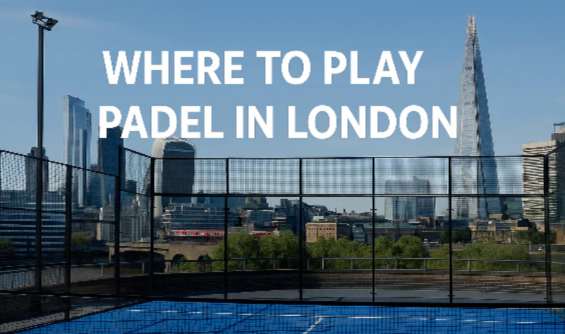
London has embraced Padel with open arms. Walk through the city and you'll find new courts springing up from Battersea to Canary Wharf. The sport has grown from a curiosity to a phenomenon in just five years. Londoners are booking courts weeks ahead, joining waiting lists for clubs, and trading tennis rackets for Padel bats at speed.
The Perfect Sport for Busy Lives
Time is precious in London. Padel respects that. You can learn the basics in one session. Most beginners rally within 20 minutes of stepping on court. Compare that to tennis, where new players spend months hitting balls into nets.
The glass walls keep the ball in play. You're not chasing balls across three courts or climbing fences. A match takes 60 to 90 minutes. You can fit it into a lunch break or after work. Many London clubs now open at 6am for early risers and stay lit until 11pm.
Social by Design
Padel forces you to play doubles. Four people on a court means conversation flows between points. The smaller space means you're close to your partner and opponents. People talk, laugh, and plan the next game before leaving the court.
London's clubs have caught on. Canary Wharf Padel hosts Wednesday night mixers. Battersea Padel runs leagues where strangers become teammates. The Hurlingham Club offers family sessions on weekends. The sport builds communities, not just fitness.
Less Intimidating Than Tennis
Tennis carries baggage. The scoring confuses newcomers. The serve takes months to master. Club culture can feel exclusive. Padel strips away those barriers.
The underarm serve is simple. Anyone can do it from day one. The smaller court means less ground to cover. Older players and those with injuries find they can compete. Women and men play together without strength differences dominating matches. Age and fitness matter less than in most racket sports.
Weather Doesn't Stop Play
London's weather is unpredictable. Rain cancels outdoor tennis matches daily. Padel courts come with covers or sit under roofs. You book a court and play, rain or shine.
Indoor facilities like those at Westway Sports Centre run year-round. Covered courts at Paddington Recreation Ground protect players from drizzle. The consistency means you can commit to regular games without checking forecasts.
Space-Efficient for Dense Cities
London struggles for space. A Padel court needs 200 square metres. A tennis court requires 670. You can fit three Padel courts where one tennis court sits.
Property developers see the logic. New residential buildings in Nine Elms include Padel courts. Converted warehouses in Shoreditch house multiple courts. Even rooftops work. The sport fits London's urban density better than tennis ever could.
The Latin American Connection
London is home to large Spanish and Latin American communities. They brought Padel with them. Argentine and Spanish expatriates started playing in the early 2010s. Their enthusiasm spread to British friends and colleagues.
Clubs like Casa Padel in King's Cross attract international crowds. You'll hear Spanish and Portuguese between points. That multicultural flavour appeals to London's diverse population. The sport feels global, not tied to British class structures.
Affordable Entry Point
Tennis club memberships in London cost £1,500 to £5,000 per year. Padel clubs charge £50 to £150 monthly. Court hire runs £25 to £50 per hour split four ways. A decent bat costs £60 to £120.
The lower costs open doors. Young professionals can afford to play twice a week. Families don't need to choose between one child's tennis and another's football. The sport attracts people who found tennis clubs too expensive or exclusive.
Fitness Without the Grind
Londoners want exercise that doesn't feel like punishment. Padel delivers a workout disguised as fun. An hour of play burns 600 to 800 calories. You're moving constantly but the rallies and social breaks make it feel easy.
The sport works your legs, core, and arms. Quick direction changes improve agility. Reaction time sharpens. All of this happens without the joint impact of running on roads or the repetitive strain of gym machines.
Celebrity and Media Attention
Andy Murray opened a Padel club in Scotland and plays regularly. David Beckham has been photographed on Padel courts. Celebrities posting on Instagram create visibility. When famous faces play, people notice.
British media coverage increased in 2023 and 2024. The BBC ran features on the sport's growth. The Telegraph and Guardian published pieces on London's Padel boom. Visibility breeds curiosity, and curiosity brings new players to courts.
Corporate Team Building
London businesses book Padel sessions for teams. The sport works for group events. Companies rent multiple courts at Paddington or Battersea for afternoons. Staff play mixed-ability matches without anyone feeling left out.
The format builds cooperation. Partners must communicate and support each other. Colleagues see different sides of each other on court. It beats trust falls and conference room exercises. Many players continue booking regular games after company events.
The Competitive Scene Is Growing
Casual players eventually want competition. London now offers leagues, tournaments, and club championships. Game4Padel runs competitions across multiple venues. The London Padel League has divisions for all abilities.
Serious players can test themselves. Beginners have paths to improve. The competitive structure keeps people engaged for years, not just months. Players set goals and track progress, which maintains interest.
The Addiction Factor
Padel players become obsessed. The game is easy to learn but hard to master. Each session reveals new tactics. The walls create angles that take months to understand. Players improve quickly at first, then spend years refining skills.
Once Londoners start playing, they book another session before leaving the club. One game per week becomes two, then three. The addiction is real, and clubs struggle to meet demand. Waiting lists at popular venues stretch for months.
What Comes Next
London's Padel boom shows no signs of slowing. Twenty new courts opened in 2024. More venues are planned for 2025 in Richmond, Wimbledon, and East London. Demand outstrips supply.
The sport combines everything modern Londoners want. It's social, accessible, time-efficient, and genuinely fun. Tennis took centuries to establish itself. Padel has captured London in less than a decade. The glass-walled courts scattered across the city aren't a fad. They're a permanent part of London's sports landscape. And after all, anything's better than watching Arsenal.