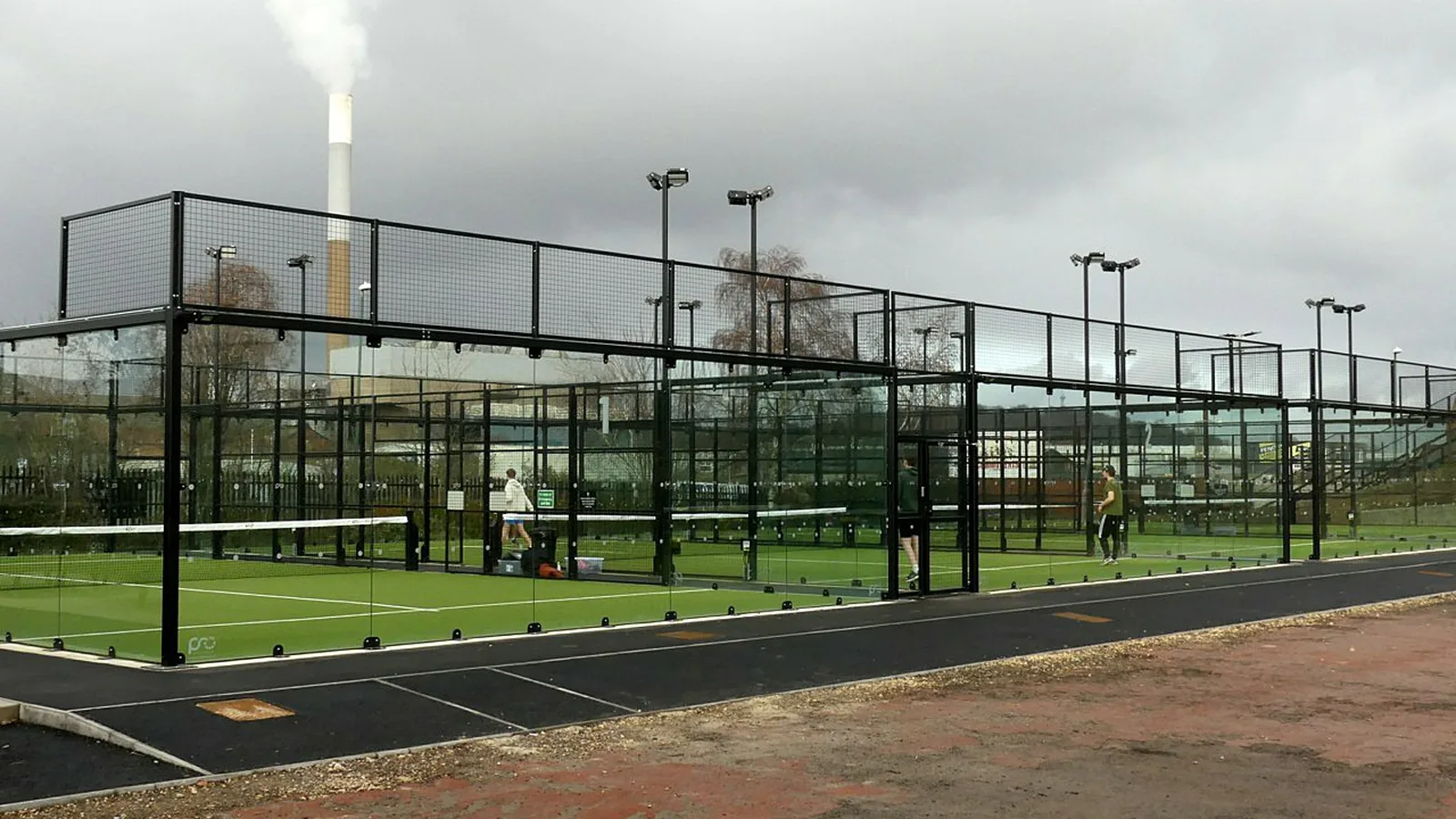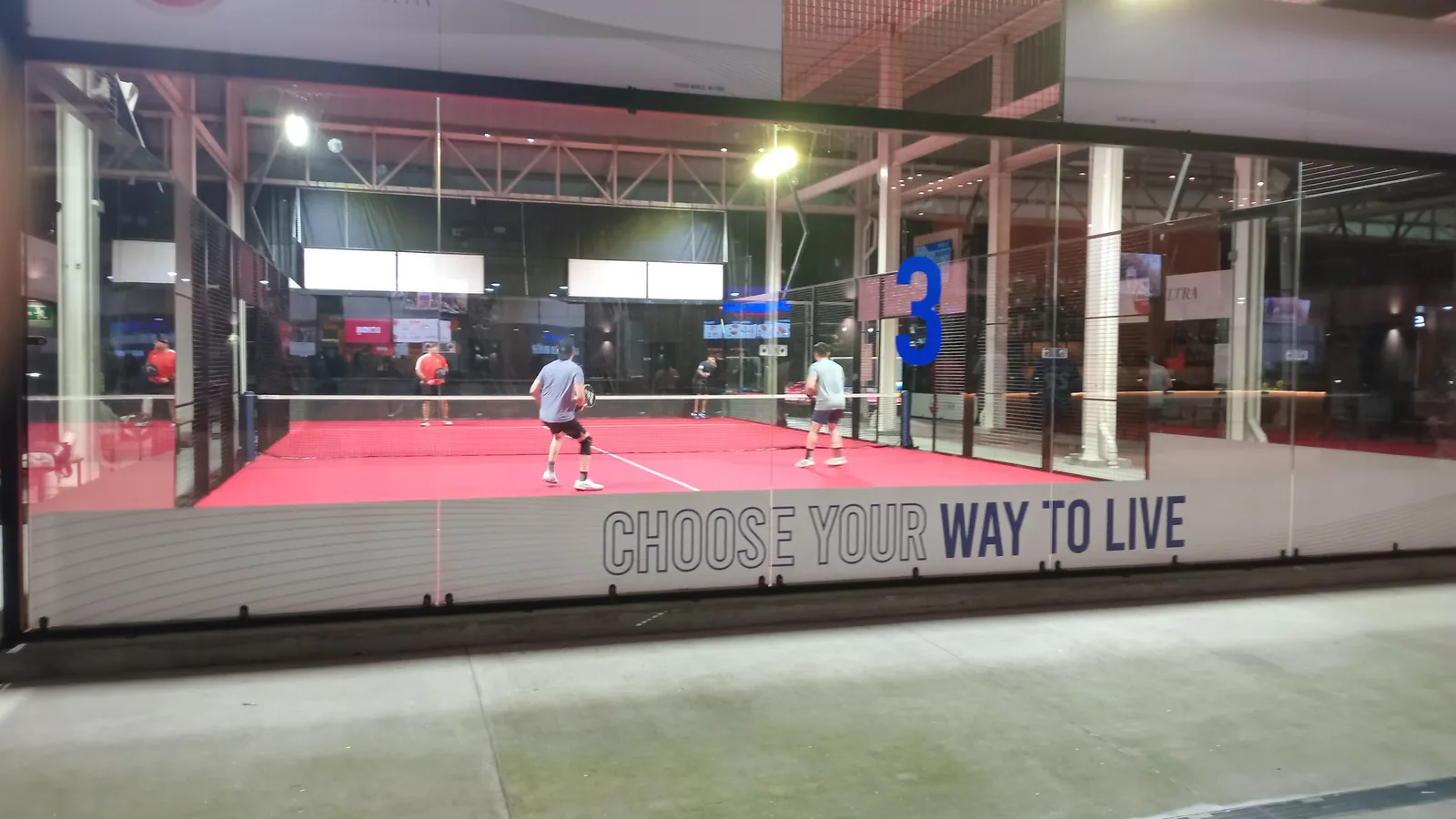
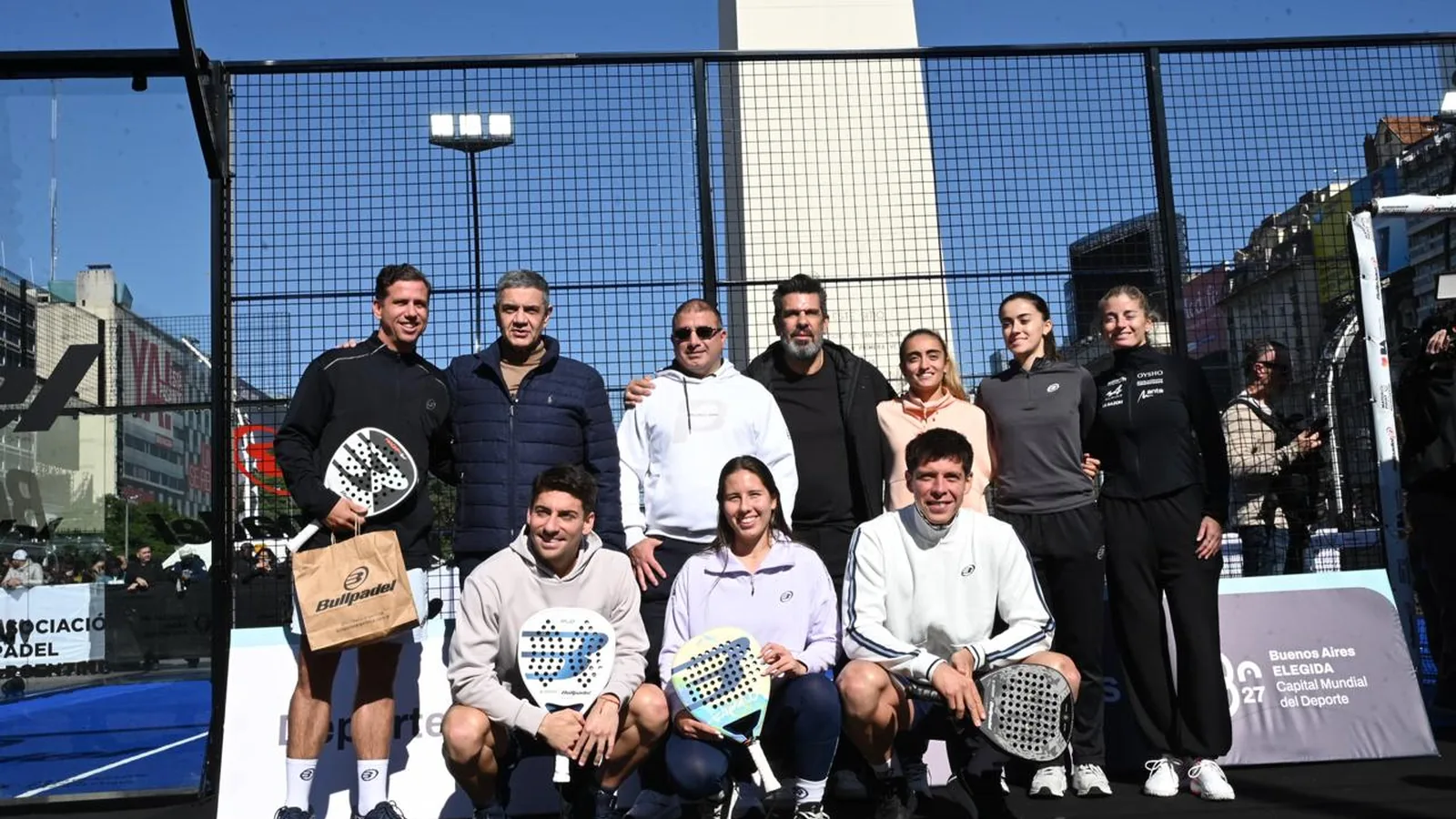
Padel keeps smashing records. More than 35 million people now play it worldwide, with over 77,000 courts spread across 150 countries. New facilities pop up at a startling rate, and fresh talent floods national rankings every month. Yet one country offers a stark lesson in what happens when supply races too far ahead of demand. Sweden's padel bubble burst after a wild building spree left empty courts and shuttered clubs. As the UK and Ireland ride the same wave of enthusiasm, the question is simple: will we learn from it, or repeat the mistakes?
The numbers tell a story of genuine excitement. In 2025 alone, builders added more than 14,000 courts globally. Player numbers jumped again. Women make up around 40 percent of participants, which helps the sport feel welcoming rather than exclusive. Doubles play, shorter points and those dramatic glass walls create an atmosphere that pulls in beginners and keeps them coming back. But growth this fast always carries risks.
What the Boom Looks Like Right Now
Spain still leads the way, but the rest of Europe, Latin America and parts of the Middle East have caught fire. Italy, France and Argentina boast packed calendars. In the UK, clubs report waiting lists for prime slots. New venues open with bars, gyms and pro shops attached, turning a simple court booking into a full social night out.
Take Manchester. The city has seen serious investment, with centres like Manchester Padel Club offering covered courts and coaching programmes that cater to everyone from total novices to league players. Bookings stay strong because the facilities deliver consistent quality. Players there speak about improved fitness and new friendships formed over quick matches after work.
Down south, Bristol's Rocket Padel stands out as one of the biggest centres in the south-west. With 14 indoor courts, a restaurant and extra activities, it draws crowds even on wet weekdays. The vibe feels energetic without being overwhelming. People turn up, play hard and linger for a drink. That mix keeps membership numbers healthy.
Leeds has followed a similar path. Pure Padel's North Leeds site forms part of a growing network that emphasises community events and junior sessions. Local players appreciate the focus on accessibility. One coach told me last month that turnout for beginner groups has doubled in the past year. The sport clearly fills a gap for sociable, low-impact exercise that still delivers a competitive edge.
The Sweden Warning: A Cautionary Tale
Sweden embraced padel early and hard. Courts multiplied from a few hundred to thousands in just a few years. During the pandemic, indoor space suddenly looked like a goldmine. Entrepreneurs rushed in. Then reality hit. Energy costs rose, inflation bit and casual players drifted away once the novelty faded. More than 100 clubs closed. Some venues became warehouses or budget supermarkets.
The problems were clear. Too many facilities chased the same group of keen players. Quality varied wildly. Poor locations and high running costs sank weaker operators. In Uppsala, one city of around 200,000 people briefly had 100 courts when 20 would have sufficed. Oversupply killed pricing power and made it tough for anyone to turn a profit.
Yet Sweden did not kill the sport. Dedicated players remain. Serious clubs adapted by cutting costs, improving marketing and focusing on experience. The correction hurt, but it also weeded out the weakest players in the market. The lesson is not to stop building. It is to build wisely.
How the UK and Ireland Can Avoid the Same Fate
Britain and Ireland still sit in the growth phase. Court numbers rise steadily rather than exploding overnight. That gives us time to plan. Smart operators focus on location, quality and community rather than sheer volume.
In Aberdeen, Sport Aberdeen's courts at Westburn Park have operated at strong capacity since opening. The covered facilities suit the climate and draw steady crowds from the north-east. Local players value the reliable booking system and group sessions that run throughout the week. It shows demand exists even away from the big southern cities.
Altrincham benefits from its proximity to Manchester's established scene. Players there travel short distances for quality matches and often combine games with nearby amenities. The smaller scale helps clubs maintain high occupancy without flooding the local market. One regular I spoke to praised the friendly atmosphere and the fact that you can usually find a partner at short notice.
Belfast has embraced the sport with typical Irish warmth. New courts integrate into existing leisure centres and private clubs. Early signs point to strong junior uptake and mixed social leagues. The city avoids the trap of too many identical venues by mixing indoor and outdoor options suited to the weather.
Key Differences That Matter
UK operators benefit from better regulation around planning and energy efficiency in newer builds. Many clubs install LED lighting and modern heating systems from day one. They also learn from Sweden by running proper feasibility studies before breaking ground. Player data from apps like Playtomic helps identify genuine gaps rather than wishful thinking.
Demand drivers look solid too. Corporate wellness programmes book blocks of courts. Schools introduce padel in PE lessons. The social side appeals to people tired of solitary gym work. Women in particular have driven growth because the sport rewards teamwork and strategy over raw power.
Still, risks remain. Rising build costs and interest rates could squeeze margins. If too many copycat venues open in the same catchment area, we could see local corrections. The solution lies in differentiation. Some clubs excel at coaching and pathways to competition. Others create premium experiences with saunas and networking events. A few focus purely on value and accessibility.
My Take: Boom With Eyes Open
I love what padel offers. It is genuinely fun, easy to pick up and brilliant for all ages. The global numbers excite me. Yet I disagree with anyone who thinks endless expansion comes without consequences. Sweden proves that hype alone does not sustain a market. We need sustainable businesses, not speculative bubbles.
The UK and Ireland have clear advantages. Population centres are spread out enough to support regional growth. Weather challenges encourage quality indoor facilities. Existing sports culture helps new players cross over from tennis or squash. If we prioritise smart locations, consistent standards and genuine community building, the sport can thrive for decades.
Visit a good club this week. Book a court in Bristol or Leeds. Try the Aberdeen sessions. Play in Altrincham or join a league in Belfast. You will feel the energy. Just remember that long-term success depends on balance, not blind enthusiasm.
The global boom is real. The Sweden warning is real too. Get both right and padel could become a permanent fixture in British and Irish sporting life. Ignore the warning and we risk unnecessary busts that damage confidence. The choice is ours. Play smart.