Padel has stopped being a curiosity and started being an investment case. Court operators, private equity firms and even football clubs are now pouring money into a sport that barely registered in the UK five years ago. The numbers behind that shift are worth taking seriously, because they explain why the boom looks far from finished.
Start with participation, because that is what underpins everything else. Global player numbers have roughly doubled since 2020, and most of that growth has come from markets outside Spain, where the sport has been mainstream for decades. Britain and Ireland are now among the fastest-growing territories in Europe, with new venues opening most months. That matters commercially: every new court represents real capital spent on construction, coaching and retail, not just enthusiasm.
Why Investors Are Paying Attention
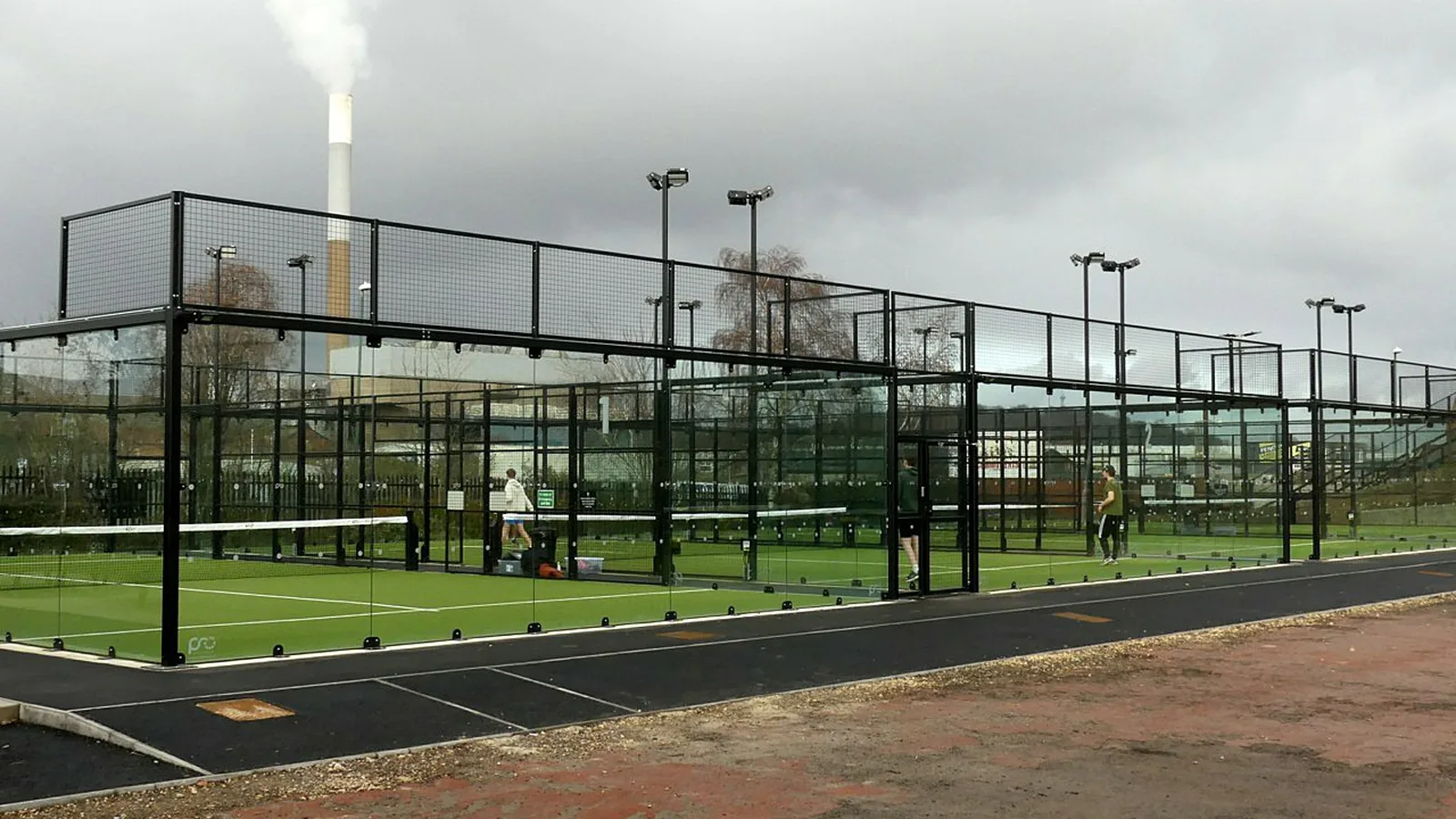
Padel courts are cheap to build relative to tennis or football facilities, and they generate more bookable hours per square metre. A four-court site can turn over several thousand pounds a week once utilisation climbs above 60 percent, which is achievable within a year or two in a well-located urban area. That combination of low build cost and high revenue density is exactly what draws property and leisure investors who might otherwise ignore racket sports altogether.
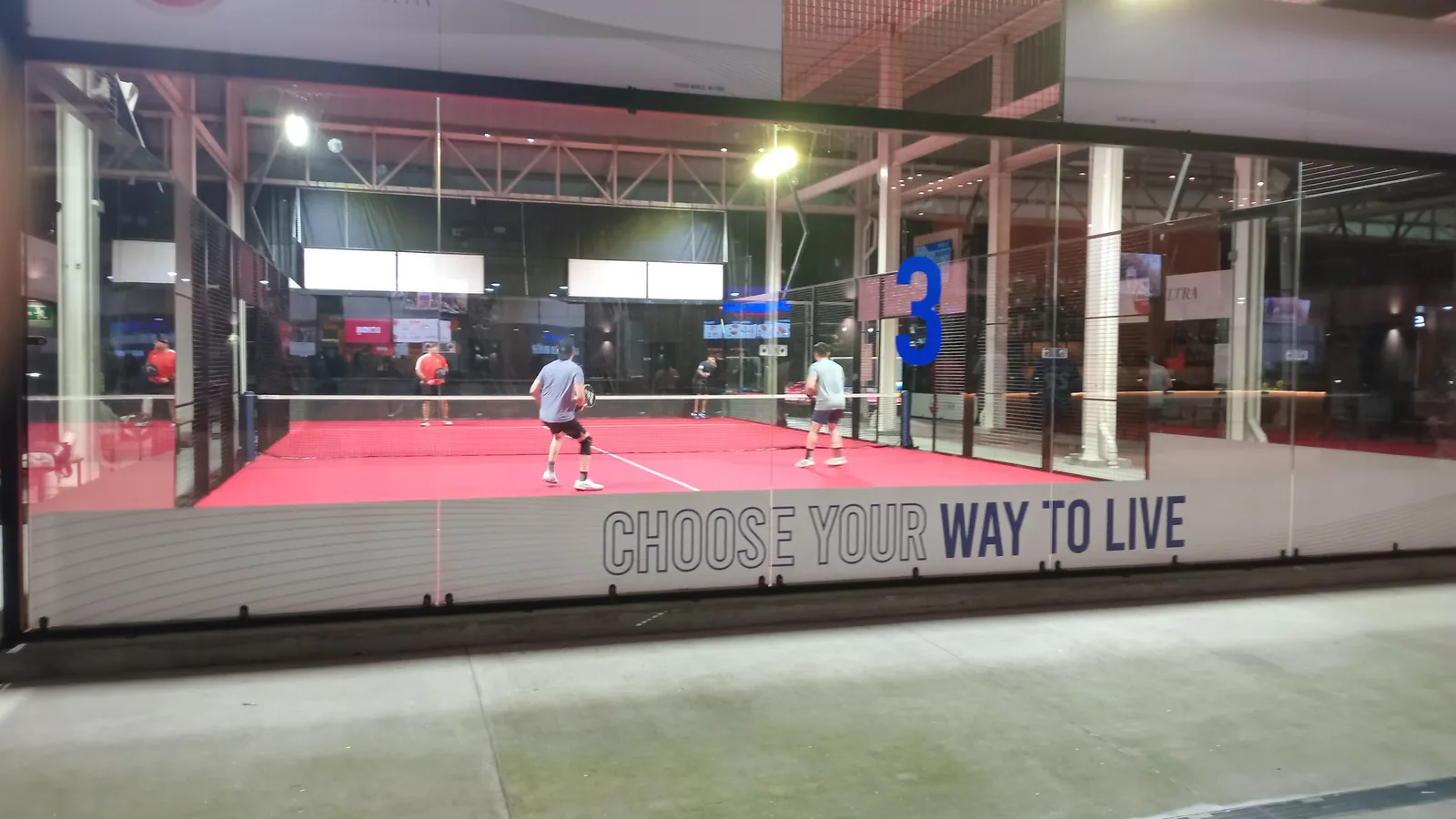
In Altrincham, the operators behind a converted retail unit near the town centre reported full peak-time bookings within four months of opening their four courts, at £42 per hour, faster than their own business plan assumed. Their coach, quoted in a local trade newsletter, put it simply: "We budgeted for a slow first year. We didn't get one." That kind of anecdote is becoming common rather than exceptional across the country.
Equipment and apparel brands have noticed too. Padel racket sales in the UK grew sharply through 2024 and 2025, and several mainstream sports retailers now stock dedicated padel ranges where two years ago they stocked none. This is not a niche accessory market anymore. Manufacturers that were purely tennis-focused, including some of the bigger Spanish and Scandinavian brands, have shifted marketing budgets toward padel because the growth curve is steeper.
Where the Money Is Actually Going
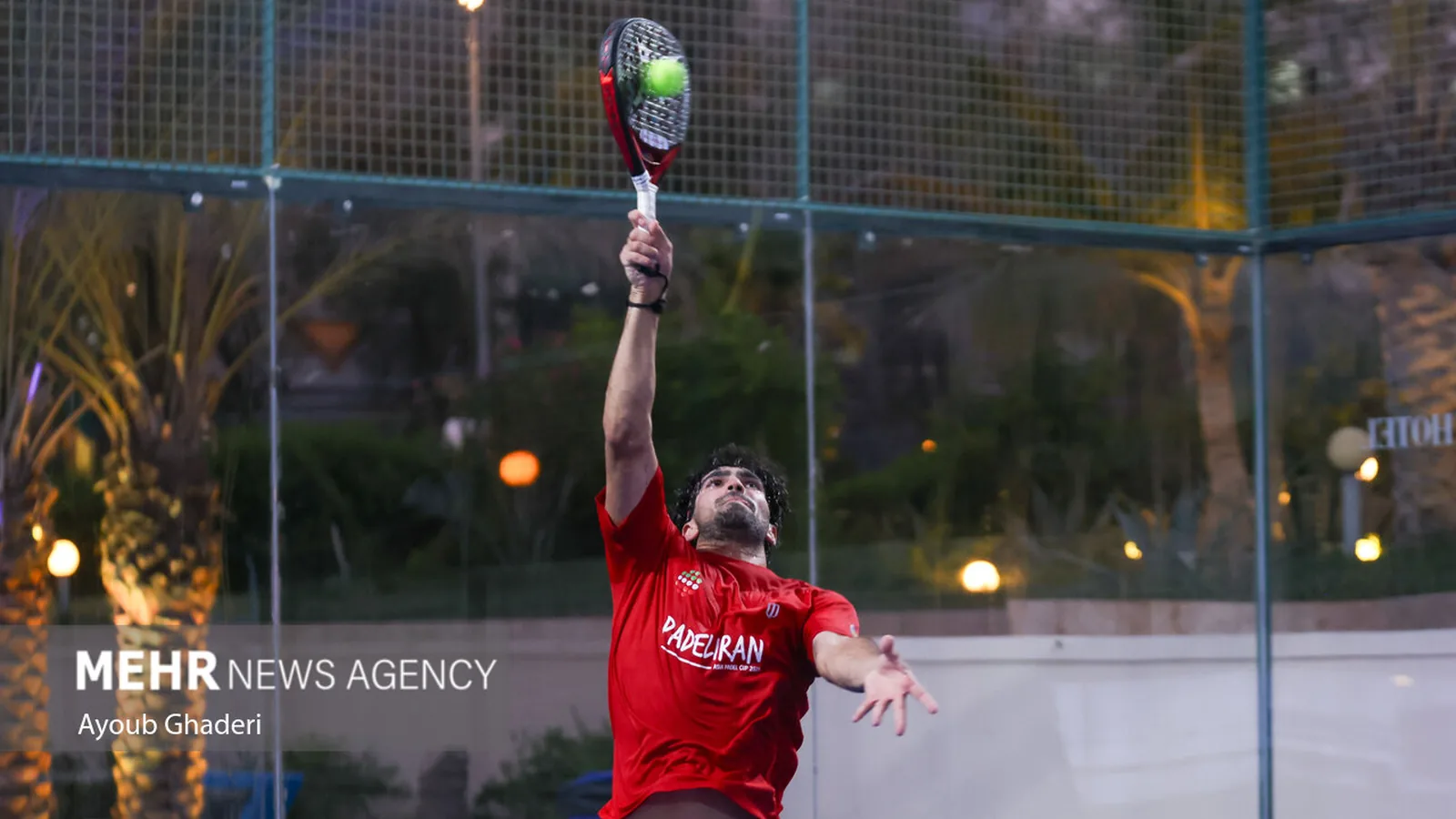
Three areas are absorbing most of the capital right now: new court construction, club membership platforms, and broadcast or streaming rights for professional tournaments. The Premier Padel tour, backed by Qatar Sports Investments, has expanded its calendar and prize money substantially since its 2022 launch, and that top-down investment is filtering into grassroots interest. Fans who watch elite matches online are more likely to book a court themselves the following week.
Membership platforms are a quieter but significant part of the story. Several UK operators, including a nine-court club in Norwich that opened in 2023, have moved to subscription pricing rather than pay-and-play, because recurring revenue is easier to forecast and easier to sell to investors. The Norwich club's founder said occupancy has stayed above 70 percent through winter months, which surprised him given how weather-dependent outdoor sport usually is in East Anglia.
Not everything about the market is rosy, though, and it is worth saying so plainly. Court construction costs have risen with general building inflation, and some operators who signed leases in 2022 are now finding margins tighter than projected. A handful of smaller sites, particularly ones built on short leases without planning certainty, have already closed. Growth markets always attract overreach, and padel is no exception.
The International Picture
Spain remains the largest padel economy by a wide margin, with well over four million players and tens of thousands of courts, but its growth rate has naturally slowed as the market matures. The interesting growth now sits in countries where the sport was almost unknown a decade ago: Sweden, the Netherlands, France, and increasingly the United States, where investment from current and former tennis professionals has given the sport a level of visibility it never had before.
Ireland is following a similar trajectory to Britain, if slightly behind it. A club in Wexford, built on a former GAA training ground and opened with three courts in early 2025, was already planning a fourth by the summer. The developer told a regional paper that demand from local schools for junior sessions had outpaced anything he'd seen in his previous career running a squash centre. That single example captures a broader trend: padel is pulling participants from adjacent racket sports, not just creating demand from nothing. I'd argue that is the most important economic signal in the whole market. A sport that only attracts new players is fun but fragile. A sport that also converts existing tennis, squash and badminton players, along with the coaches and facilities that serve them, is building a more durable base.
What to Watch Next
Three things will determine whether the current growth rate holds. First, whether court supply keeps pace with demand in major cities, because waiting lists and overpriced peak slots are the fastest way to put off casual players. Second, whether broadcast deals for the professional tour continue to expand outside Spain and the Gulf, since that drives the aspirational pull that gets beginners onto a court in the first place. Third, and less glamorous, whether construction and energy costs stabilise enough for new operators to hit the margins their business plans assume.
None of those questions have obvious answers yet. But the underlying momentum, from grassroots bookings in towns most people couldn't place on a map to nine-figure investment in the professional tour, suggests padel has moved well past the point where it could be dismissed as a passing trend. The sport is now a genuine, if still developing, part of the sports economy, and the businesses building around it are behaving accordingly.