Padel players in the UK often ignore the recovery phase of their game. You finish a high-intensity set at a club in London or Manchester and head straight to the car. This habit leads to stiff joints and sore muscles the next morning. You can improve your physical health by following a set routine. Proper recovery helps you get back on the court sooner.
Cool Down on the Court
The transition from peak heart rate to rest must be gradual. Stop playing and walk around the court for five minutes. This light movement keeps your blood circulating through your legs. It prevents blood from pooling in your lower limbs. You should feel your breathing slow down to a normal pace during this time. Do not sit on the bench immediately after the final point.
Gentle movement helps the body process metabolic byproducts. Your muscles feel less heavy when you stay mobile. Padel involves many lateral lunges and sudden stops. These movements put stress on your tendons and ligaments. A slow walk gives your nervous system a chance to calm down. It prepares your body for the more static stretches that follow.
Static Stretching for Flexibility
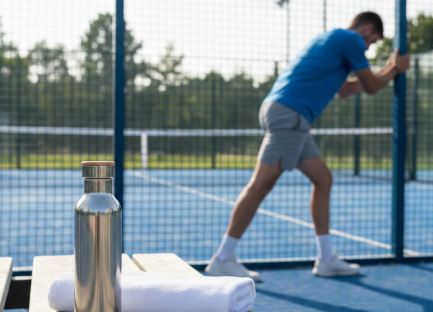
Hold each stretch for thirty seconds to see real benefits. Focus on your calves, hamstrings, and lower back. These areas work hardest during a match on the artificial grass. Pull your toes toward your shin to feel the calf stretch. Lean forward slowly to target the backs of your thighs. Does stretching prevent every injury? No, but it maintains your range of motion for the next game.
Avoid bouncing while you stretch. Keep your movements smooth and controlled. You should feel a slight pull but never sharp pain. Breathe deeply into each position to help the muscle fibres relax. Pay attention to your dominant hitting arm and shoulder too. The repetitive swinging motion can tighten the chest muscles over time. Stretching these areas balances your posture.
Hydration and Electrolyte Balance
You lose a lot of salt through sweat during a match. Water alone is sometimes not enough for full rehydration. Add a tablet with sodium and magnesium to your bottle. This mixture helps your muscles function and prevents cramping. Drink five hundred millilitres of fluid within the first hour of finishing. Avoid caffeinated drinks right after your session as they can interfere with sleep.
Monitor the colour of your urine to check hydration levels. It should be pale yellow rather than dark. Proper fluid intake supports the repair of soft tissue. It also keeps your joints lubricated for better movement. Many players forget to drink during the winter months in Ireland or Scotland. You still sweat under the canopy of an indoor court. Keep your bottle nearby at all times.
Nutrition for Muscle Repair
Eat a meal containing twenty grams of protein soon after play. Protein provides the building blocks for muscle repair. Combine this with complex carbohydrates like brown rice or sweet potato. These foods replenish the glycogen stores in your liver and muscles. You need this energy for your daily tasks and future matches. A tuna sandwich or a chicken salad works well for most people.
Timing matters when you consume these nutrients. Try to eat within ninety minutes of leaving the club. This window is when your body is most efficient at absorbing nutrients. Small snacks like Greek yoghurt or a handful of nuts are good options if a full meal is not possible. Avoid high-fat fried foods which can slow down the digestion process. Clean fuel leads to a faster return to form.
The Benefits of Cold Water
Cold showers or ice baths reduce inflammation in the legs. Ten minutes in cool water can decrease muscle soreness significantly. The cold constricts blood vessels and flushes out waste products. Many professional players in Dublin use this method after long tournaments. It feels uncomfortable at first but the physical benefits are clear. You will notice less swelling in your ankles and knees.
You do not need a professional ice bath at home. A very cold shower will achieve a similar effect on your circulation. Focus the water stream on your legs and hitting shoulder. Alternate between warm and cold water if you find the constant cold too difficult. This contrast therapy stimulates blood flow. It is a simple way to manage the physical toll of a competitive match.
Sleep and Rest Cycles
Sleep is the most powerful recovery tool available to you. Aim for eight hours of quality rest every night. Your body releases growth hormones during deep sleep to fix damaged tissue. Poor sleep leads to slower reaction times on the court. It also increases the risk of making tactical errors during a game. Switch off electronic devices an hour before you go to bed.
Consistency in your sleep schedule helps your internal clock. Try to go to bed at the same time every day. This habit improves the quality of your rest cycles. Your heart rate variability improves when you are well-rested. This metric is a good indicator of how ready you are for more exercise. Listen to your body and take a full rest day every week. Overtraining leads to burnout and long-term injury.
Soft Tissue Work
Use a foam roller on your IT bands and quads. This practice breaks up tension in the fascia surrounding your muscles. It can be painful on tight spots but it works well. Spend two minutes on each major muscle group. Roll slowly and stop on any areas that feel particularly tender. Is a massage ball useful for the feet? Yes, it relieves tension in the arches after running on hard surfaces.
Tennis ball exercises can also target the muscles between your shoulder blades. Lie on the ball and move gently to find the trigger points. This self-massage technique is cheap and effective. You can do it while watching television in the evening. Regular tissue work keeps your muscles supple and responsive. It prevents the buildup of chronic tightness that limits your swing speed.
Active Recovery Days
A day off does not mean you must stay on the sofa. Low-intensity activity like swimming or cycling is beneficial. It keeps the joints moving without the impact of the padel court. A thirty-minute walk in the park is also a great choice. These activities promote blood flow without causing further muscle damage. You will find your stiffness disappears faster with light movement.
Swimming is particularly good because the water supports your weight. It allows your joints to move through a full range of motion. Avoid any activity that involves jumping or sprinting on your rest days. The goal is to feel refreshed rather than tired. Most players find that two active recovery days per week work best. This balance keeps you sharp for your next league match or social hit.
Monitor Your Progress
Keep a simple diary of how you feel after each match. Note down any recurring aches or pains in your elbows or knees. This record helps you identify patterns in your physical condition. You might find that certain shoes cause foot pain. Or perhaps you feel more tired after evening matches. Adjust your recovery routine based on these observations. Small changes lead to big improvements over a season.
Check your resting heart rate every morning. A sudden rise can indicate that you are not recovering well enough. It might be time to take an extra day of rest. Professional athletes use these data points to plan their training. You can apply the same logic to your amateur padel career. Staying healthy is the best way to enjoy the sport for many years. Follow these steps to stay on the court.