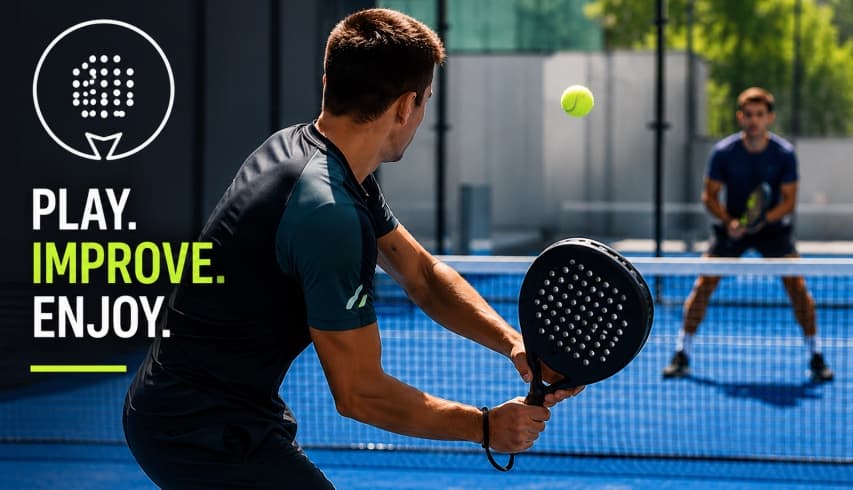
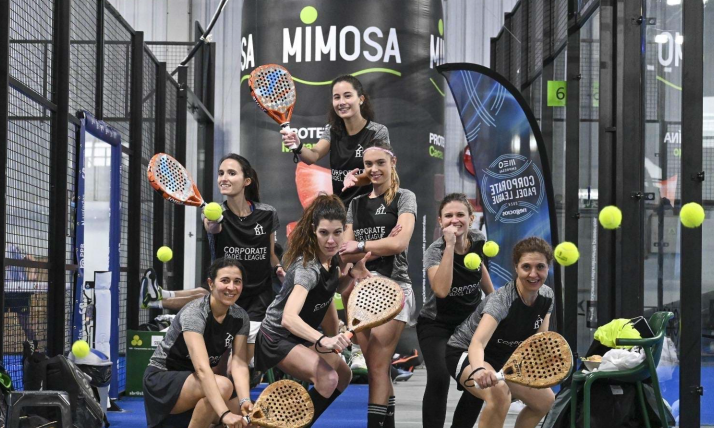
Padel has emerged as the sport of choice for British businesses looking to strengthen their teams. Companies from London to Manchester are booking courts instead of conference rooms. The sport combines physical activity with genuine collaboration. Staff leave energised rather than exhausted by another trust fall exercise.
1. Everyone Plays at the Same Level Within Minutes
Padel's enclosed court and simple rules mean beginners grasp the basics in 10 minutes. The managing director and the newest intern compete on equal footing. Tennis requires weeks of practice before you can rally. Padel lets complete novices enjoy proper games on day one.
The walls keep the ball in play longer. Rallies last 15 to 20 shots even with inexperienced players. This builds confidence fast. Teams see colleagues they've never spoken to making great plays and laughing together.
2. Doubles Format Forces Real Communication
Padel is always played as doubles. Partners must talk constantly about positioning, shot selection, and tactics. You cannot succeed alone. The format mirrors workplace collaboration better than individual sports.
Teams rotate partners throughout sessions. The finance manager pairs with the creative director. The quiet developer partners with the outgoing sales rep. These combinations rarely happen in normal office life. Staff learn to adapt their communication style to different personalities.
Matches last 30 to 45 minutes. That's enough time for genuine rapport to develop between partners who barely knew each other before stepping on court.
3. Lower Injury Risk Than Other Corporate Sports
HR departments worry about injuries during team events. Padel's smaller court means less running and fewer sudden direction changes. The sport is easier on joints than tennis or five-a-side football. Players aged 25 to 60 compete comfortably together.
The ball travels slower than in tennis. Reaction time requirements are gentler. Staff with varying fitness levels participate without feeling out of their depth. Nobody wants to be the person who injures themselves at the team-building day and can't work the next week.
4. Venues Are Now Available Across Major UK Cities
London alone has over 50 dedicated padel facilities. Manchester, Birmingham, Edinburgh, and Bristol have opened multiple venues in the past two years. Game4Padel in Battersea and Padel Nation in Chelmsford offer corporate packages with coaching, court hire, and hospitality.
Most venues include changing rooms, showers, and café areas. Companies can book multiple courts for 20 to 40 staff simultaneously. The infrastructure now matches what's available for traditional corporate activities like bowling or karting.
Many venues offer indoor courts. British weather doesn't cancel plans. Teams can book with confidence year-round.
5. Post-Match Socialising Happens Naturally
Padel creates natural talking points. Staff compare shots, discuss tactics, and replay funny moments. The conversation flows without forced ice-breaker games. Teams head to the venue café or nearby pub already engaged with each other.
The sport's social nature comes from its Spanish and Latin American roots. Clubs are designed for lingering after matches. Players from different companies often chat between games. Your team might network with professionals from other businesses without realising it.
6. Competitive but Not Aggressive
Padel generates excitement without bringing out toxic competitiveness. The ball bounces off walls in unexpected ways. Lucky shots happen constantly. Players laugh at the chaos rather than getting angry about losing points.
The sport lacks the territorial aggression of football or the individual pressure of golf. Teams celebrate good shots from opponents. The atmosphere stays light even during close matches. This models the positive competition companies want between departments.
7. Better Value Than Traditional Corporate Events
Court hire costs £40 to £60 per hour for four players. A two-hour session for 20 staff runs £400 to £600 including coaching. Compare this to £2,000+ for clay pigeon shooting or £3,000 for go-karting with hospitality.
Companies get genuine physical activity and team bonding. Staff return to work energised rather than hungover from another boozy lunch. The investment shows leadership cares about health and modern workplace culture.
Venues often provide equipment rental for £5 per person. First-time corporate groups need no upfront investment in gear. Teams can trial padel before committing to regular sessions.
British businesses are moving away from passive team-building activities. Padel offers active participation that builds real connections. The sport's growth in the UK corporate sector shows no signs of slowing. Your competitors are probably booking courts already.