
Padel has spread across the UK at speed, but the experience here feels different from anywhere else. From long winter drives to early booking battles, the sport carries quirks shaped by climate, space, and demand. Regular players share these moments daily. They shape routines, friendships, and match habits in ways only British padel fans truly recognise.
The early morning booking race
Most UK padel courts sit fully booked days in advance. New slots often appear at midnight or first thing in the morning. Players wake early or set alarms just to secure a one hour slot. Some clubs release courts at 7am. Others refresh bookings at 6am. Missing that window means waiting another week.
Group chats stay active at dawn. Someone types fast and claims Court Two at 8pm. Others reply with thumbs up before brushing their teeth. This routine feels normal now. It has turned court access into a daily sport of its own.
The winter hoodie rally
Outdoor padel in the UK does not pause for cold air. Players arrive wrapped in hoodies, gloves, and base layers. The first few rallies feel stiff and slow. Breath clouds the glass. Hands stay numb until the body warms.
After ten minutes, the hoodie comes off and hangs on the fence. Steam rises from shirts. The cold fades, and movement takes over. This quick change from freezing to overheating feels familiar to every British player.
The long drive for a single match
Many towns still lack local courts. Players travel across counties for one evening game. A forty minute drive each way feels routine. Some head from Manchester to Wilmslow. Others cross from Leeds to Sheffield.
The journey feels worthwhile once the first ball hits the wall. Car boots hold spare shoes, water bottles, and towels. Traffic delays cause group messages filled with apologies. Everyone waits. No one complains. This effort reflects how much the sport means.
The “is it tennis” conversation
Friends and colleagues still confuse padel with tennis. Players explain the walls, the underarm serve, and the smaller court. They repeat this talk weekly. Some bring phones and show short clips from local matches.
Curiosity follows. Someone asks to join next time. Another says it looks easier than it is. Regular players smile. They know that first session will change everything.
The glass fear phase
New players hesitate when the ball rebounds off the glass. They freeze or step back too late. The sound feels sharp and close. Confidence builds only after many matches.
UK clubs often run beginner sessions to help with this skill. Coaches remind players to trust the bounce. Over time, fear turns into instinct. The glass becomes part of the game rather than a barrier.
The mixed ability doubles night
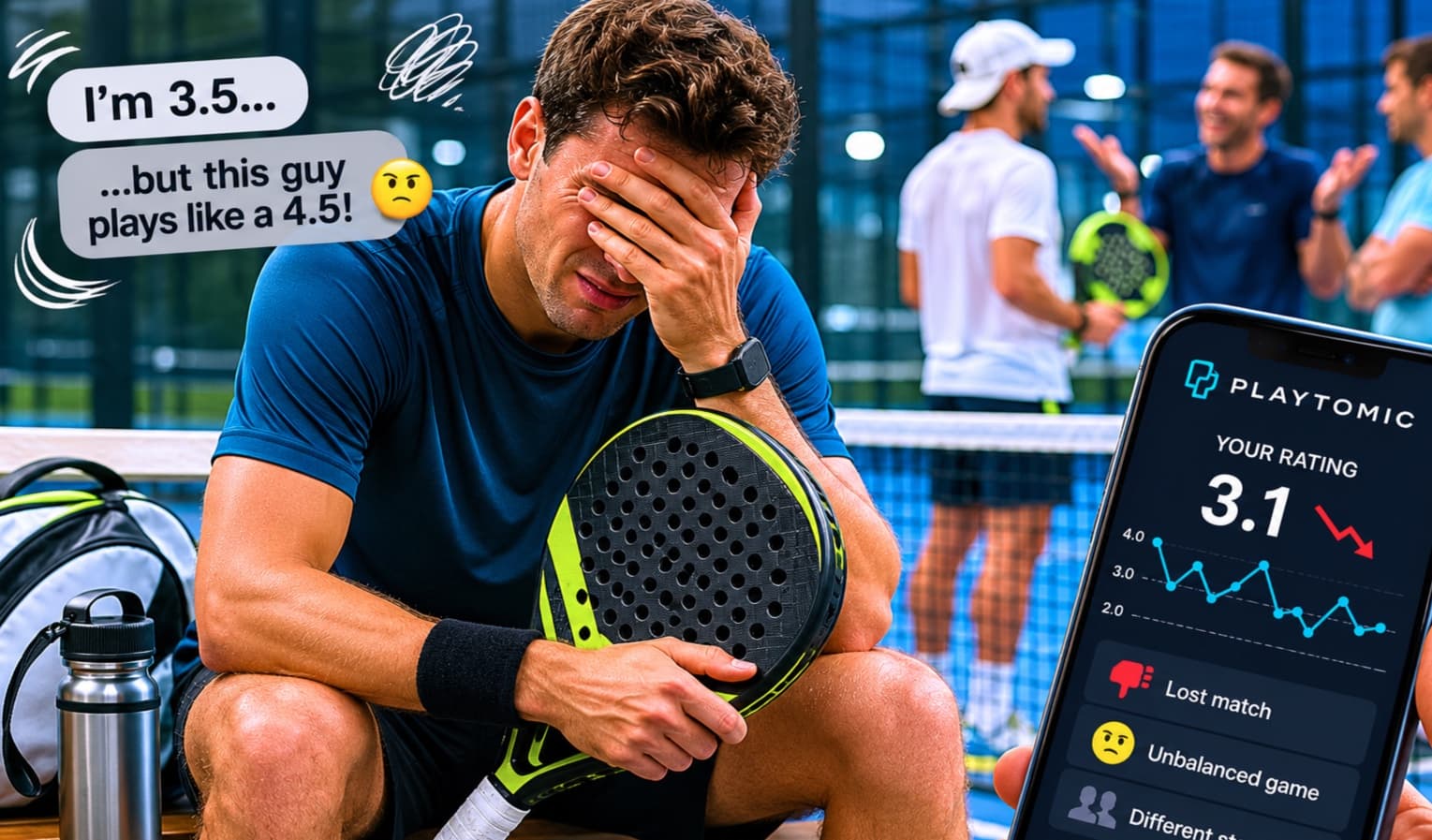
Padel thrives on social play. Many UK clubs host open sessions where strangers pair up. A former tennis player teams with a first timer. A club regular joins a guest from work.
Scores matter less than rallies and laughter. Advice flows between points. These evenings build strong communities. Players leave knowing new names and planning the next match.
The post match café ritual
Most British padel centres include a small café or bar. After play, players queue for tea, coffee, or a cold drink. Conversations replay key points and missed shots.
This social pause matters as much as the match. It keeps people coming back. Padel in the UK feels like a club rather than a booking system. That sense of belonging keeps courts full every night.