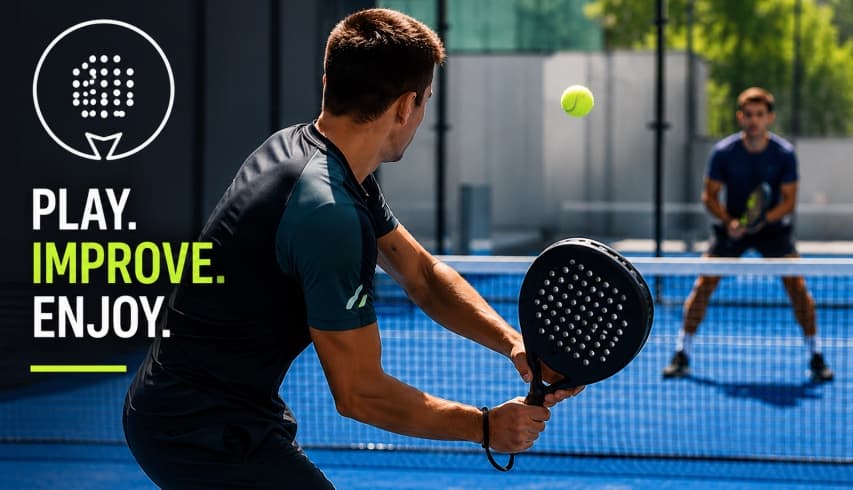
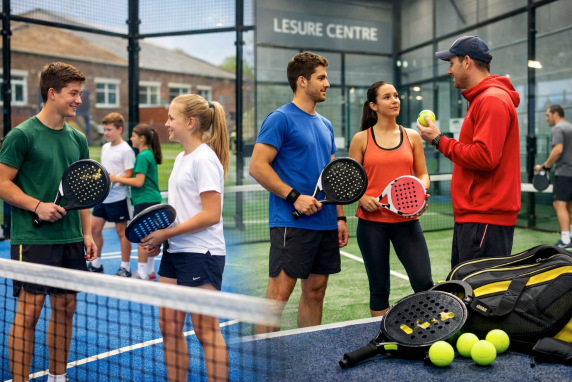
Padel courts are appearing at schools and leisure centres across Britain at a rate few predicted five years ago. The sport once confined to private clubs now sits alongside football pitches and tennis courts at state schools in Manchester, Bristol and Edinburgh. Leisure centres that spent decades resisting change are installing glass-walled courts and booking them solid within weeks.
The Numbers Tell the Story
The Lawn Tennis Association reported 89 new padel courts built at UK schools and public facilities in 2023. That figure jumped to 147 in 2024. Schools like Millfield in Somerset and Shrewsbury School now run structured padel programmes for students aged 11 to 18. Public leisure centres in Cardiff, Leeds and Glasgow have waiting lists stretching three months for court bookings.
The sport grew 112% in the UK between 2022 and 2024, according to Sport England data. More than 6,000 regular players now compete in organised leagues. Half of them started playing at schools or local leisure centres. The accessibility explains part of the boom. A padel court costs £35,000 to £50,000 to install. Tennis courts run £60,000 to £80,000. Schools can fit two padel courts in the space of one tennis court.
Why Schools Are Investing
PE departments face constant pressure to engage students who avoid traditional sports. Padel offers a solution. The smaller court and slower ball speed mean beginners can rally within their first lesson. Students who refuse to pick up a tennis racket will try padel. The enclosed court and doubles format create a social atmosphere that appeals to teenagers.
St Paul's School in London installed two courts in 2023. Within six months, 200 students had signed up for weekly sessions. The school now runs an after-school club three days a week. Deputy head Sarah Marchant told me participation among Year 9 girls increased 40% once padel became available. Girls who avoided competitive sport found the doubles format less intimidating.
Schools also see commercial potential. Courts can be hired to parents and the local community during evenings and weekends. King Edward's School in Birmingham charges £30 per hour for court rental. The school generates £18,000 annually from its two courts, enough to cover maintenance and fund equipment for students.
The Leisure Centre Revolution
Council-run leisure centres operate on tight margins. They cannot afford facilities that sit empty. Padel courts have proven themselves as revenue generators. Better Leisure, which manages 37 centres across the UK, installed padel courts at six locations in 2024. Booking rates hit 85% capacity within three months at each site.
The Sobell Leisure Centre in Islington added two courts in early 2024. Centre manager David Walsh reported £2,400 in weekly bookings by June. The courts attracted a demographic the centre had struggled to reach: working professionals aged 30 to 45. These players book during lunch breaks and after work, filling slots that once went unused.
Padel requires less space than five-a-side football and creates less noise than squash. Leisure centres can build courts outdoors or in underutilised indoor spaces. The David Lloyd Clubs chain converted unused gym space at three locations into padel courts. Membership enquiries at those clubs rose 23%.
Breaking Down Barriers to Entry
Tennis in Britain carries class baggage. Private clubs, expensive memberships and unwritten dress codes put off many families. Padel arrived without that history. Most courts charge £25 to £40 per hour, split among four players. A racket costs £40 to £120. Balls are cheap and last longer than tennis balls.
The sport suits mixed-ability groups. A strong player and a beginner can enjoy a game without frustration. Parents play with children. Teenagers compete with grandparents. This flexibility makes padel ideal for schools running inclusive PE programmes and leisure centres targeting family bookings.
Coaching requires less specialisation than tennis. A decent tennis player can become a qualified padel coach in three months. Schools hire PE teachers for padel instruction rather than expensive external coaches. Leisure centres train existing staff to run introductory sessions.
The Competition Element
Schools thrive on inter-school competition. Padel now has a competitive structure to support that. The English Schools Padel Association launched in 2023. It runs regional tournaments and a national championship. Forty schools entered teams in 2024, up from 12 the previous year.
Leisure centres benefit from league play. Local padel leagues book courts for two or three hours weekly throughout the year. These guaranteed bookings provide stable income. The Padel League Network runs competitions at 15 public venues across England. Each league pays upfront for a full season of court time.
The British Padel Federation now recognises school and leisure centre programmes in its pathway to elite play. Young players can progress from school courts to club teams to national squads. This legitimacy encourages schools to invest in qualified coaching and proper equipment.
Real Estate and Planning Advantages
Schools face planning restrictions on new builds. Padel courts often qualify as temporary structures. They can be installed without major planning permission. The courts are modular and arrive in sections. Installation takes three to five days. A school can have working courts before the end of a half-term break.
Leisure centres struggle to expand in urban areas where land costs prohibit new facilities. Padel courts stack vertically. Some European clubs have built courts on rooftops and in car parks. UK leisure centres are starting to copy this model. A centre in Croydon plans to install courts above its existing swimming pool.
The courts need minimal groundwork. They sit on any flat surface with proper drainage. Schools place them on old tennis courts or unused tarmac. Leisure centres use corner plots and overflow car parks. This flexibility speeds up decision-making and reduces costs.
Health and Wellbeing Benefits
Public health officials want people moving. Padel gets inactive people active. The sport burns 600 to 800 calories per hour. Players constantly move but rarely feel exhausted. The social aspect keeps people coming back.
Schools report improved fitness levels among padel players. The Falkner House School in London tracked student fitness before and after introducing padel. Cardiovascular fitness improved 15% among regular players over six months. The school now includes padel in its core PE curriculum.
Mental health benefits matter. The sport reduces stress and builds confidence. Leisure centre managers notice that padel players book regular weekly slots. They form social groups. Some centres report that padel players use other facilities more often, joining gyms and fitness classes.
What Comes Next
The Local Government Association predicts 400 new public padel courts by 2026. Schools are negotiating bulk equipment deals and sharing coaching resources. Multi-academy trusts plan to install courts at multiple schools and run inter-school leagues.
Leisure centres are exploring partnership models with commercial operators. A centre provides space and the operator installs and manages courts. Profits are split. This model reduces financial risk for cash-strapped councils.
The sport's governing bodies are pushing for padel to be included in school sport partnerships. This would unlock government funding for equipment and coaching. Several MPs have backed the proposal. If approved, padel could receive the same support as cricket and rugby.
Padel has moved from novelty to necessity in Britain's sporting infrastructure. Schools see it as a tool for engagement and revenue. Leisure centres view it as the answer to falling participation rates. The courts are going up fast. They are staying busy. And the waiting lists keep growing.