
A lightweight control racket that gets the basics right without asking beginners to spend a fortune.
The RYZE Chimera is a racket built around control rather than headline power, and that makes it an interesting option for players still finding their feet in padel. Its round head, soft EVA-15 core and 360g weight favour easy handling and a forgiving response. The catch is that confident attackers may soon want more punch from their racket.
What is the RYZE Chimera like?
RYZE is still a relatively young name in padel, which makes the Chimera an intriguing alternative to the familiar HEAD, Babolat, Wilson and Bullpadel options. The company positions it as its control racket, aimed primarily at beginners and casual players. You can also check out our review of the Ryze Pegasus racket here.
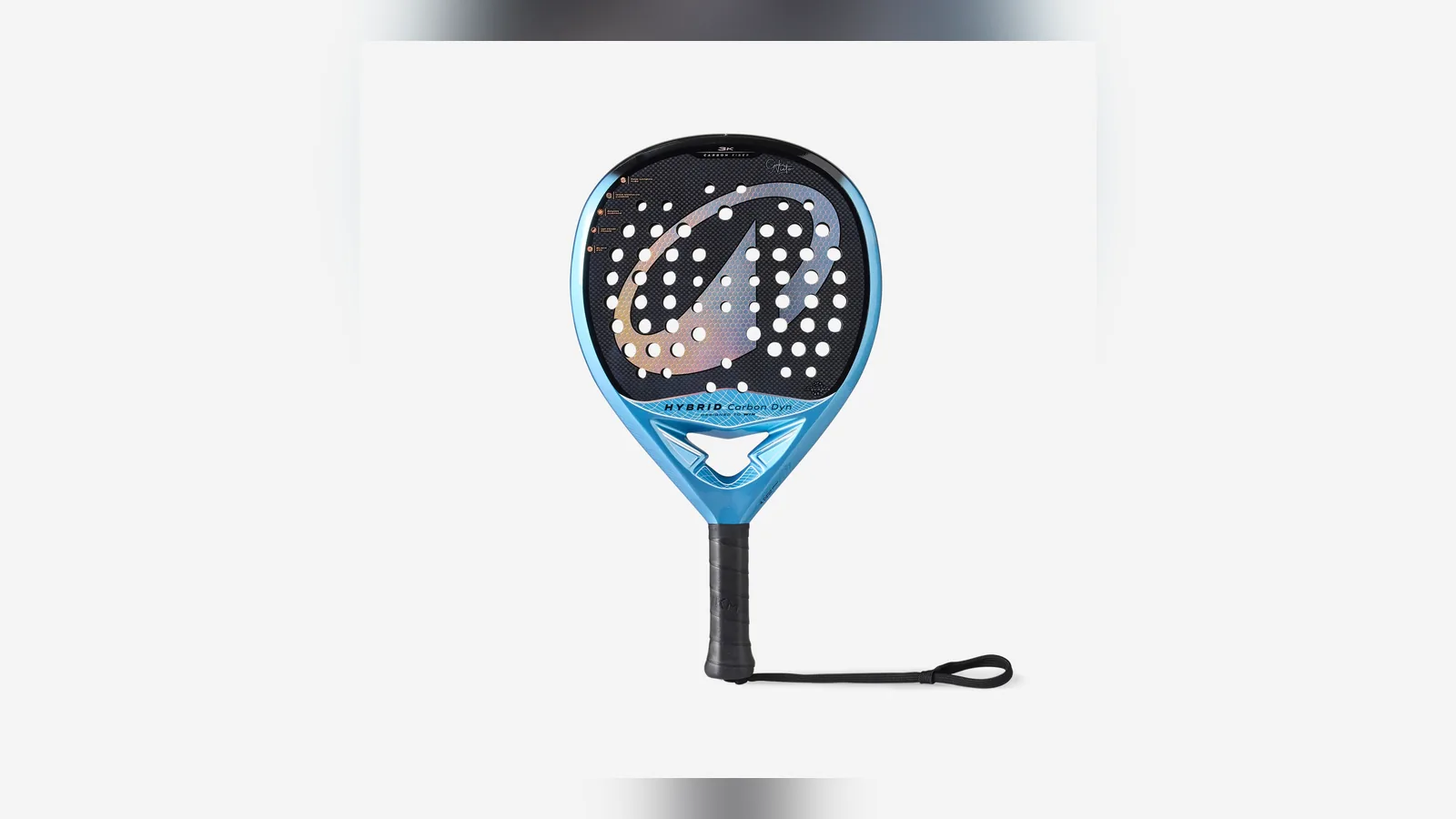
The formula is straightforward. You get a round head, a soft EVA-15 foam core and a construction using carbon fibre and fibreglass. RYZE lists the racket at around 360g, putting it in a sensible weight range for a first adult padel racket.
That round shape matters more than the marketing language suggests. It puts the sweet spot lower on the face and makes the racket easier to control when your contact point is not quite where you intended. For a player learning the difference between a controlled bandeja and a wild swing at the ball, that forgiveness is useful.
Control and feel
The Chimera's strongest quality is its approachable feel. The soft foam does not produce the firm, immediate response associated with harder offensive rackets. Instead, the ball tends to sit on the face for a fraction longer, giving less experienced players a little more time to direct it.
That suits the defensive side of padel particularly well. Returning a fast ball off the back glass is less about producing huge power and more about getting the racket into position and sending the ball back with a sensible trajectory. The Chimera's low-balance, round format is well suited to that job.
It also makes quick exchanges at the net less demanding. A 360g racket that does not feel excessively head-heavy can be moved into position without a great deal of effort. For beginners, that can make a surprisingly large difference during a long game.
There is a trade-off. Soft rackets are rarely the first choice for players who want a crisp, explosive response. If your game revolves around aggressive smashes, fast attacking volleys and generating pace from the racket itself, the Chimera is unlikely to be the model that keeps you satisfied as your technique develops.
Power and attacking play
Calling the Chimera a control racket does not mean it is incapable of producing power. A technically sound player can still hit a firm smash, and the racket's light weight helps generate racket-head speed.
The difference is where the power comes from. The Chimera does not appear designed to do the work for you. A player with good technique can extract plenty from it, but a beginner should not expect the easy depth or explosive finish of a more attack-focused racket.
That is not necessarily a weakness. Early in your padel development, learning to control the ball is usually more valuable than buying a racket designed around shots you are not yet consistently able to execute.
Comfort and manoeuvrability
The soft EVA-15 core and anti-vibration design are another reason the Chimera makes sense as an entry-level option. The response is intended to be less harsh than a stiff, hard-faced racket, while the moderate weight keeps it manageable during extended sessions.
Independent reviews have also highlighted the racket's handling and vibration damping. One specialist test rated its lightness and precision highly, although it raised some concerns about frame durability compared with more expensive alternatives.
That point is worth keeping in mind. The Chimera is inexpensive, and its fibreglass-heavy construction helps explain why. It is not trying to be a premium competition racket built for players who regularly punish their equipment against the glass and fencing.
Build quality and design
Visually, the Chimera takes a restrained approach. The black and dark-blue finish looks smart without trying too hard to attract attention, while the Danish design identity gives RYZE a slightly different feel from the big established Spanish and international brands.
The material specification is also important. RYZE describes the construction as 15 per cent carbon fibre and 85 per cent fibreglass. Some online listings describe the racket as being made from 100 per cent carbon fibre, but that conflicts with the manufacturer's own specification. The manufacturer's figure is the one I would use.
A protective carry case is included, which adds useful value for a beginner buying their first racket. It is a small thing, but it saves the new player having to buy a case separately.
Is the RYZE Chimera good value?
At around the £100 mark in the UK, the Chimera occupies an interesting part of the market. There are cheaper beginner rackets, but plenty of established brands also charge considerably more for models aimed at improving players.
The Chimera's appeal is not that it gives you professional-level performance for pocket money. It does not. Its strength is that it gives a new or improving player a sensible combination of weight, forgiveness, comfort and control without pushing the price into premium territory.
There is also encouraging evidence from owners. RYZE says the Chimera has collected more than 100 reviews with an average rating of 4.6 out of 5. Independent opinion is broadly positive too, although one Reddit discussion was notably less enthusiastic about another RYZE racket and suggested better alternatives could be found around the same price. That is a useful reminder that value is always relative.
Verdict
The RYZE Chimera gets the most important things right for its intended audience. It is light, easy to manoeuvre and built around control rather than trying to turn every shot into an attacking weapon.
I particularly like the logic behind the round head and soft core. They make sense for a player learning the game, rather than simply adding fashionable technology to a cheap racket.
The limitations become clearer as your game improves. Players who spend more time attacking from the net or want a racket that contributes serious weight to their smash will eventually want something more powerful. That is not a reason to dismiss the Chimera. It is simply the natural consequence of choosing a control-focused racket.
For a beginner, occasional player or improving club player who values placement over brute force, the Chimera is a convincing proposition. It is not the most exciting racket on the market, but perhaps that is precisely why it works.