Keep your padel balls lively for longer, without buying a new tube every few matches
The Bullpadel Pascal Box tackles one of padel’s most irritating habits: throwing away balls that still have plenty of life left. Its pressure chamber restores lost pressure between sessions, keeping the bounce more consistent. The system works, but the Pascal Box is not a set-and-forget accessory. It needs space, pumping and a little care.
What is the Bullpadel Pascal Box?
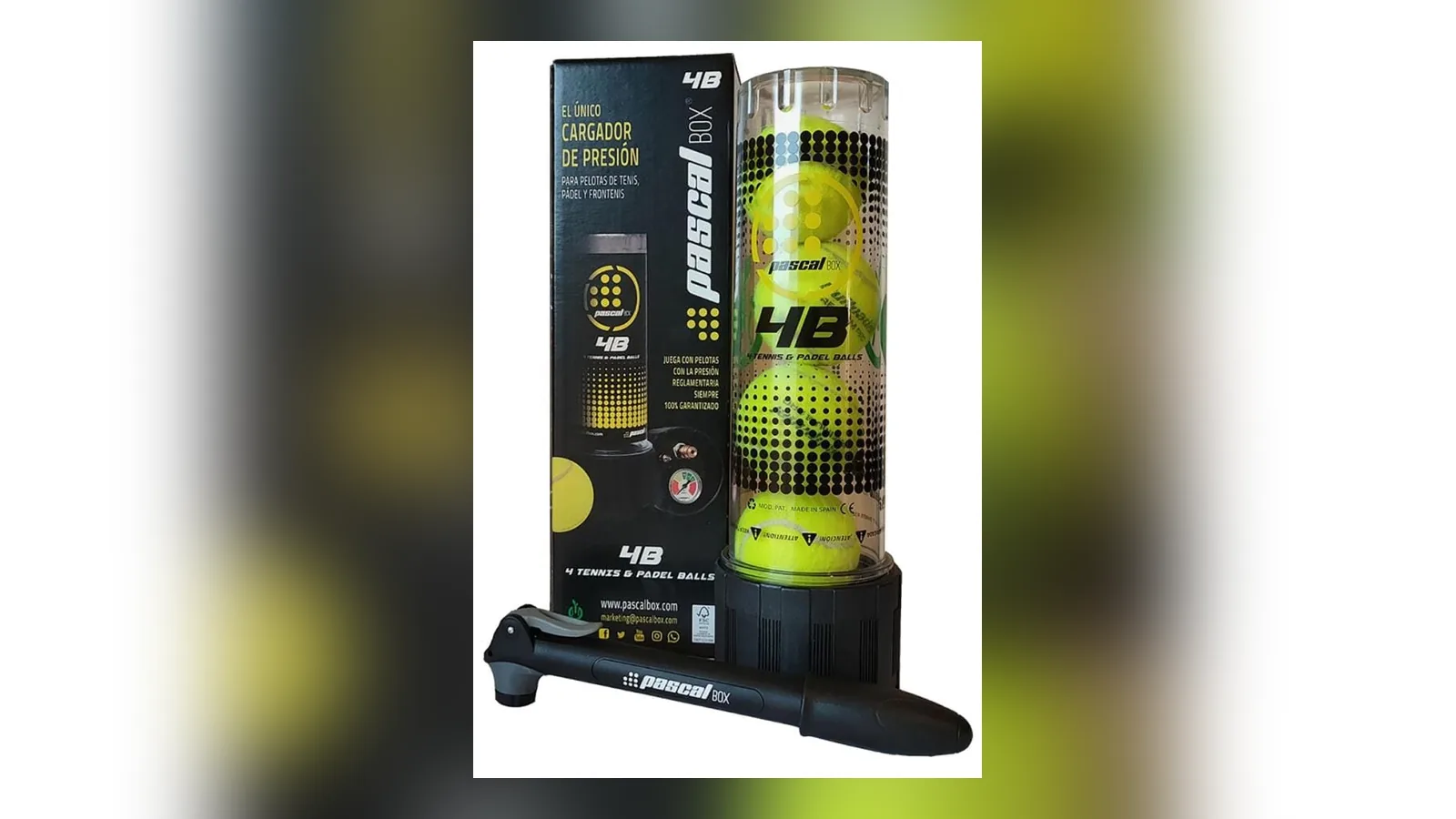
The Pascal Box is a pressurising container designed to keep padel balls at the correct pressure between matches. The current 4B version holds four balls and comes with a pressure gauge, inflation pump and the equipment needed to maintain the seal.
The principle is straightforward. Padel balls gradually lose internal pressure once their original packaging is opened. As that happens, the bounce changes and the ball starts to feel softer and slower. Put the balls inside the Pascal Box, close the lid, add pressure with the pump and leave them stored until the next session.
That sounds almost too simple, but it addresses a genuine problem. A good set of balls can still have plenty of usable felt and rubber after several matches, even though the pressure has dropped enough to affect play.
Bullpadel's current 4B uses a high-resistance polycarbonate container and a fibreglass lid. The pressure gauge is calibrated against official padel and tennis parameters, while the sealing system uses an O-ring designed to maintain the pressure inside. The company also says every component can be repaired or replaced, which is a welcome approach for a product designed to be used repeatedly.
Does the Pascal Box actually work?
Yes, and this is where the Pascal Box earns its place in a padel bag.
Independent testing and player reports consistently point to the same result. Balls that have lost pressure can regain a livelier response after being stored under pressure. Padel Magazine's hands-on assessment found that the system can extend the useful life of balls, while numerous players report getting several additional matches from a tube that would otherwise have been discarded.
There is an important distinction, though. The Pascal Box restores pressure. It does not restore worn felt or damaged rubber.
That matters more than it might sound. A ball can still read correctly on the pressure gauge but have become fuzzy, scuffed or misshapen after repeated play. Hard hitters will also wear balls faster than players who rely less on aggressive smashes and heavy spin.
Some players report particularly good results with Bullpadel balls, while experiences with other brands vary. That makes sense. Different balls have different constructions, and the Pascal Box cannot make every model behave identically once it has been heavily used.
Using it is more involved than buying a new tube
This is the Pascal Box's biggest weakness.
There is a small routine to follow. The balls go into the container, the lid needs to be properly sealed, pressure is added with the pump and the gauge is monitored. The O-ring also needs occasional lubrication to maintain a reliable seal.
None of this is difficult, but it is another job after a match when most players simply want to put their racket away and head home.
The box is also considerably larger than a normal tube of balls. That is hardly surprising given its construction, but it does take up noticeable room in a kit bag. If you only play occasionally, the extra bulk and routine may feel unnecessary.
Opening the container has also generated mixed feedback. Some users have found the lid difficult to release after the box has been pressurised for several days. The correct procedure is to release the pressure before opening it, and the manufacturer provides guidance for doing this. Proper maintenance of the seal is important too.
Get those basics right and the system becomes much less troublesome.
Build quality and design
The Pascal Box feels more like a piece of equipment than a disposable accessory. The polycarbonate chamber is tough, the lid is reinforced and the pressure gauge gives you a clear reference instead of relying on guesswork.
I particularly like the repairable construction. A broken seal or worn component does not automatically turn the whole product into another piece of plastic waste. That fits the basic idea behind the Pascal Box rather well.
The four-ball capacity is also sensible for players who normally use four balls during a match. There is no need to squeeze a fifth ball into the container or buy a separate storage system. The Pascal Box can also be used with tennis balls, giving it a little more versatility than its name initially suggests.
Is it good value?
This is where your playing habits matter.
If you play once every couple of weeks and are happy to open a fresh tube each time, the Pascal Box is difficult to justify. The initial cost is much higher than simply buying another set of balls, and you may never use its ability to extend their lifespan often enough to recover that cost.
Regular players have a stronger argument. Someone playing two, three or more times a week can get through a surprising number of tubes. Keeping balls playable for additional sessions changes the maths considerably.
There is another benefit that is harder to put a price on. You know roughly what to expect from the balls in your bag. Instead of starting a session with balls that have gradually softened in a cupboard, you can maintain their pressure between games.
That consistency is arguably more useful than the financial saving.
What people are saying
Player feedback is broadly positive, although there is a recurring complaint about maintenance and the effort required compared with simpler pressure containers.
- "Really happy with my Bullpadel Pascal Box." (Reddit)
- "The gauge is nice, so you know when to stop pressurizing the balls." (Reddit)
- "The remontée en pression des balles est impressionnante!" (Zona de Padel)
There are also users who prefer cheaper alternatives. Some report that generic pressurising systems achieve much the same result, which is a fair criticism. The Pascal Box does not have exclusive rights to the basic idea of storing balls under pressure.
Verdict
The Bullpadel Pascal Box is a specialist accessory that solves a very specific problem, and it solves that problem well.
Its strengths are easy to understand. The pressure gauge gives you control, the four-ball capacity suits regular match play, the construction feels durable and the system can extend the useful life of padel balls. For frequent players, that can mean fewer purchases and more consistent balls from session to session.
The drawbacks are equally clear. It is bulky, requires pumping and needs basic seal maintenance. Players who rarely play padel will probably find the whole process more trouble than it is worth.
For regular players, though, I would take the Pascal Box seriously. It is not glamorous and it will not improve your racket technique. What it does is keep one of the cheapest pieces of equipment in your kit performing properly for longer. That is a worthwhile job.