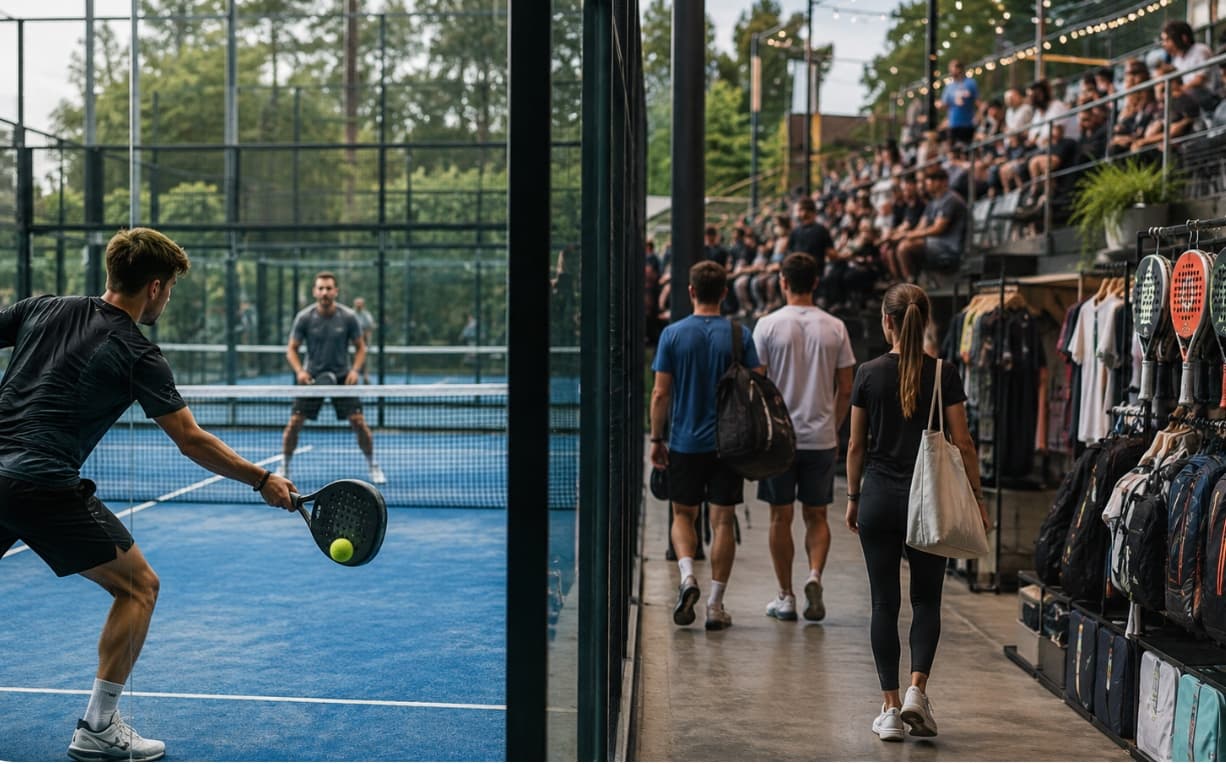

Most sports put you in a lane, on a pitch, or on a court facing an opponent. Padel puts you in an enclosed glass box with a partner. That structural fact matters more than it sounds. Every session involves 40 to 90 minutes of sustained social proximity. You share a confined space. You communicate constantly. You celebrate points together and absorb defeats together.
That dynamic breeds a particular kind of conversation. Players at courts in Nottingham, Bristol and Manchester report that padel is one of the few physical activities where you actually talk properly, not just grunt or shout. The glass walls reduce ambient noise from outside. The scoring system creates natural pauses. The rallies are long enough to build rhythm but short enough to bring you back to the changeover bench regularly.
The result is that padel functions as a conversational infrastructure. People are using it the way previous generations used golf or tennis, as a semi-formal setting where real conversations happen. Business ideas get floated. Friendships that started online turn into real ones. Difficult personal conversations get had in the relative safety of physical activity, where eye contact is optional and there is always the next point to move on to.
Social scientists have a term for this kind of interaction: they call it incidental connection. It means meaningful social exchange that happens as a byproduct of something else. Padel has become one of Britain's most reliable generators of it.
The Rise of Padel Identity
Walk into almost any padel venue in the country on a Tuesday evening and you will notice something immediately. People are not dressed for sport. They are dressed for padel.
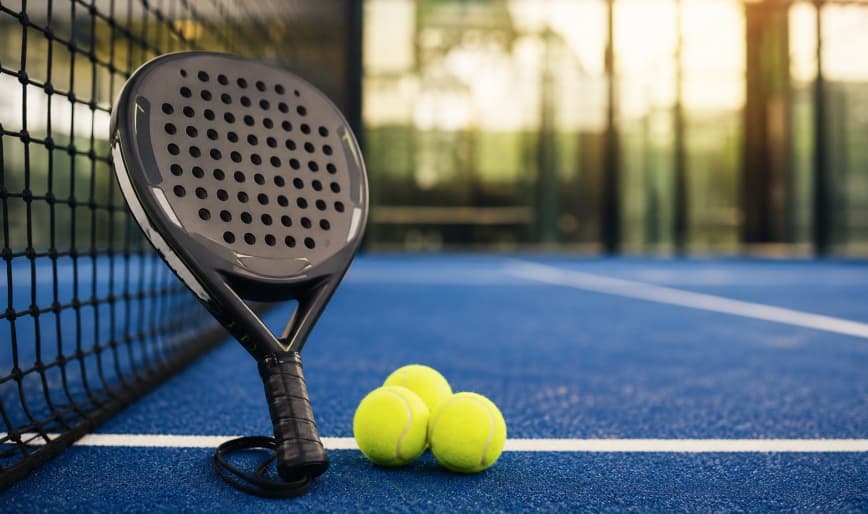
There is a difference. The padel aesthetic is specific: fitted performance tops with subtle branding, shorts that sit just above the knee, court shoes with a herringbone sole, a bag that is recognisably a padel bag rather than a generic holdall. The racket is unmistakable. Padel rackets do not look like anything else in sport, and players carry them with a low-key pride that borders on display.
This is not accidental. Brands have moved fast. Nox, Bullpadel, Head Padel, Wilson and dozens of smaller labels have created distinct visual languages. They advertise in ways that reference lifestyle as much as performance. The implied message is that buying the racket is buying into something larger than a game.
And people have responded. Padel has generated what marketing researchers call category identity: a cluster of behaviours, objects and attitudes that mark someone as a padel person. Players follow padel accounts on social media. They watch World Padel Tour highlights on their phones. They discuss rule changes and professional match results the same way football fans discuss transfer windows. They use the word padel in contexts that have nothing to do with playing. "We're very padel about it" has become shorthand, in some circles, for a laid-back competitiveness that takes things seriously without making them a war.
What Padel Identity Looks Like on the Ground
In Leeds, a group of financial professionals started playing together in 2022 and by 2024 had organised a social calendar around their weekly sessions. The padel court became the anchor. Around it grew post-match meals at the same restaurant, a WhatsApp group that now has 34 members, an annual trip to play in Spain, and a fundraising event that raised over £8,000 for a local hospice.
None of that was planned. The sport created the infrastructure for the community, and the community built its own culture on top of it. This pattern is repeating itself in towns and cities across the country, from Aberdeen to Plymouth, from Belfast to Swansea. Padel is not just something people do. It is something people are.
Padel and the Workplace
The sport has arrived in British workplaces with particular force. Not literally, padel courts in office car parks remain rare, though a few tech companies have explored it. The arrival has been social and cultural.
Corporate padel is now a recognised category in the events industry. Team-building companies that previously sold axe throwing, escape rooms and go-karting are reporting significant demand for padel packages. A session typically involves two hours of court time, basic coaching for beginners, competitive doubles play, and a meal afterwards. The format suits mixed-ability groups better than almost any other sport. A complete novice and a seasoned player can share a court and both have a good time.
Human resources professionals have noticed something specific about padel's effect on workplace relationships. It forces collaboration between people who would not normally mix. The doubles format means you must work with your partner, adapt to their strengths and cover their weaknesses. Players report that sharing a court with a line manager or a colleague from a different department changes how they see that person at work. The court strips away professional hierarchy in a way that a team lunch or a webinar simply does not.
Several law firms and financial services companies in London and Birmingham have started padel clubs with explicit corporate wellbeing backing. The clubs meet weekly, often at 7am before the working day begins. Membership cuts across job grades. A trainee solicitor and a senior partner share the same court with the same status. That flattening effect has social and cultural consequences that extend well past the game.
The Networking Angle
Padel has also become a business networking tool in its own right. LinkedIn is full of posts from professionals who describe how they "found their best client", "hired their best employee" or "landed their biggest deal" through padel connections. The claim is often exaggerated, but the underlying dynamic is real.
Traditional networking events are awkward precisely because their purpose is obvious. Everyone in the room knows everyone else is there to make contacts and advance their career. That awareness creates a kind of social pressure that makes authentic connection difficult.
Padel removes the pressure by giving people something else to focus on. The networking happens as a side effect. When someone asks for your number after a match, it is because they want to play again, not necessarily because they want something from you. That starting point produces warmer, more durable professional relationships than a business card exchanged at a drinks reception.
The Food and Drink Dimension
Sport and food have always been connected. But padel has generated a distinctive food culture, one that is changing what some people eat, when they eat it, and where they go afterwards.
The pre-match meal has become a point of real interest in padel communities. Players at clubs in Brighton, Cardiff and York discuss nutrition with a specificity that would not be out of place in a professional training environment. Carbohydrate timing, protein intake, hydration strategies: these topics circulate in padel WhatsApp groups alongside match results and court booking links.
This is partly because padel demands a specific kind of fitness. It is not an endurance sport, but it is not static either. Points are explosive. Matches can last two hours. Players need energy that sustains without weighing them down. The sport has pushed its participants towards a more considered relationship with food than casual players of, say, darts or bowling ever developed.
The post-match meal matters just as much. Padel venues across the UK are increasingly built with food and drink in mind. Modern facilities include cafes or restaurants that are genuinely good, not just functional. Some venues have partnered with nutritionists to build specific post-match menus. Smoothie bars, protein-focused small plates and high-quality coffee have replaced the vending machine and the packet of crisps.
The drink culture around padel is also shifting. The sport attracts health-conscious players who often extend their health focus to what they consume afterwards. Many padel players report actively reducing alcohol as a result of taking the sport seriously. Non-alcoholic beer has become a standard post-match option at the better venues. This is not an isolated trend: it mirrors broader shifts in how younger adults in the UK relate to alcohol. But padel is accelerating it in specific social groups.
Padel Venues as Destination Spaces
The most ambitious padel facilities are not courts with a cafe bolted on. They are social venues that happen to have courts. The distinction is significant.
A growing number of UK sites are designed with flow in mind. Courts are visible from the social area, so spectating is easy and natural. The food and drink offer is built to keep people on site for an hour after their match. Background music is chosen deliberately. Lighting in the social area is warm. The overall effect is closer to a boutique hotel lobby than a sports hall.
Padel venues are competing not just with other sports but with restaurants, bars and cultural experiences for people's leisure time and spending. The ones that understand this are building places people want to be, not just things people want to do. That ambition is reshaping what sport venues in the UK look like and feel like, and the effects will outlast padel itself.
Padel on Social Media: A Different Kind of Sport Content
Social media coverage of padel is unlike coverage of most other sports. The content is less about elite performance and more about participation. That is unusual.
Football, cricket and rugby content on platforms like Instagram and TikTok is dominated by professional highlights, transfer rumours and punditry. The audience is mostly spectators. The celebrities play. The fans watch.
Padel content inverts that dynamic. The most popular padel accounts do feature professional players, but they sit alongside recreational content in a way that almost never happens in football. A video of two club players at a venue in Newcastle can sit next to World Padel Tour highlights in a viewer's feed and feel like it belongs there. The gap between amateur and professional is visually smaller in padel than in almost any other sport, largely because the glass-walled court and the overhead angle create a consistent aesthetic regardless of skill level.
This has made padel one of the more democratic sports on social media. Players share their own content because it looks good and because there is a genuine audience for it. That content circulates and creates awareness, which draws more players, who create more content. The loop is self-reinforcing.
The influencer dimension is real but more nuanced than in most sports. Padel has not produced the kind of celebrity endorsement machine that tennis or golf built in the 1990s. Its social media ecosystem is grassroots-heavy. The accounts with real influence in the UK padel community tend to be run by club owners, coaches, and committed recreational players rather than by professional athletes or traditional sports media.
The Role of Storytelling
Padel players tell their origin stories. Ask anyone in the sport how they started and you will get a specific, often detailed answer. The first court. The friend who dragged them along. The first time they hit a glass shot that worked. The moment they got the bug.
These narratives spread the sport more effectively than advertising. They circulate through WhatsApp groups, over coffee, in office break rooms, across dinner tables. A person who converts to padel tells at least three other people about it in the first month. Those people tell others. The sport grows through personal testimony in a way that resembles the spread of a genuine cultural movement more than the marketing rollout of a leisure product.
Social media amplifies this. Posts about padel beginnings, about the awkwardness of the first session, about the moment a smash finally clicked, generate high engagement because they are relatable. The sport has a shared journey that newcomers step into, and that journey is well-documented on every platform.
Mental Health and the Social Prescription
Mental health benefits of exercise are well-established and widely reported. What padel adds to that picture is specific.
The sport is almost never played alone. That structural fact means that every session carries social contact as a built-in component. For people who find it hard to maintain social connections, who struggle with isolation or who need external motivation to exercise regularly, padel provides a reliable mechanism for all three things at once.
Several NHS social prescribing pilots have included padel as an option for patients presenting with mild to moderate depression and anxiety. The results reported at a 2024 public health conference in Glasgow were cautiously encouraging. Participants who played padel at least once a week for eight weeks reported improvements in mood, reductions in social isolation scores, and higher rates of continued physical activity at six months compared to control groups.
The mechanism appears to be the combination of exercise intensity, social engagement, and competitive structure. Padel gives the brain a problem to solve in real time. It requires focus. That focus interrupts the kind of ruminative thought patterns associated with anxiety and depression. Players consistently describe the court as a place where they cannot think about anything else because the ball demands their full attention.
This is not unique to padel. Other racket sports produce similar effects. What padel brings that tennis and squash do not is the forced collaboration of the doubles format. You cannot play padel alone and you cannot win alone. That interdependence creates a sense of shared purpose and mutual accountability that reinforces social bonds more consistently than solo exercise or even group fitness classes where participants do not directly interact.
The Conversation Around Wellbeing
Padel has become part of the broader public conversation about wellbeing in a way that few sports manage. It is discussed in lifestyle media, in workplace wellbeing programmes, by GPs recommending active social participation, and by employers looking for genuine team-building tools rather than performative ones.
The sport's timing has been fortunate. It arrived in the UK mainstream just as the post-pandemic conversation about loneliness, social connection and mental health peaked. It offered something that was simultaneously new, accessible, physically demanding and deeply social. That combination meant it arrived in the right cultural moment. The interest it generated was partly about the sport and partly about a collective appetite for meaningful social activity that exercise could provide.
Padel's Influence on Broader Sporting Culture
Padel is changing expectations of what a sport experience should feel like. That shift is affecting facilities and programmes well beyond padel courts.
Traditional sports clubs in the UK have taken notice. Tennis clubs that added padel courts found that the padel community they attracted had different expectations about social space, music, food and the overall atmosphere of the club. Meeting those expectations often meant improving the tennis experience too. The same pattern has played out at leisure centres in Nottingham, at private health clubs in London, and at municipal sports facilities in smaller towns.
Gym operators are watching padel closely because it challenges the model they have built. The traditional gym proposition is individual: you arrive, you use equipment, you leave. Padel is collective by design. Players who get into padel often shift time and money from the gym to the court. They do not stop exercising. They stop exercising alone.
The fitness industry's response has been mixed. Some operators have tried to add padel courts to existing gym footprints, with variable success. Others have leaned into the community model, building social programming around padel in the same way that boutique fitness studios built communities around yoga and spin cycling. The ones who have succeeded are the ones who understood that padel is a social product that happens to involve exercise, not an exercise product that happens to be social.
Fashion, Gear and the Padel Economy
The economic footprint of padel in the UK has grown faster than most industry analysts predicted. Padel equipment sales have increased significantly year on year since 2020. Racket sales, in particular, tell a story about a sport that attracts spending from people who take their gear seriously.
Padel rackets sit in a different price bracket from most recreational sports equipment. A reasonable entry-level racket costs around £75. A serious club player typically spends between £150 and £350 on a racket. Top-end models, used by advanced players who have progressed beyond their first club season, regularly sell for over £350. These are not casual purchases. They signal commitment.
The fashion element of padel has driven spending beyond equipment. Purpose-built padel clothing is now a distinct retail category. UK sports retailers have given padel its own floor space or dedicated online sections. Independent padel specialist shops have opened in London, Manchester and beyond, selling everything from string tension services to court shoes fitted by staff who understand the specific movement demands of the sport.
Footwear is a particular focus. Padel shoes differ from tennis shoes in their outsole pattern and lateral support. Wearing the wrong shoes is noticeable and, over time, physically costly. The conversation about footwear in padel communities is remarkably detailed and specific. Brand choices carry social meaning. Players who arrive at a club in generic trainers are gently educated. Players who arrive in the right shoes are noticed.
Secondhand and Sustainability
The padel economy has a secondhand dimension that is growing. Facebook Marketplace, Vinted and specialist padel forums carry a brisk trade in used rackets, shoes and clothing. This reflects the sport's spread into middle-income demographics who want to participate seriously without paying premium prices for everything.
The secondhand market also creates social connections. Buying a racket from another player means exchanging contact details, often comparing notes on local courts, and sometimes arranging a game. The transaction becomes a social entry point.
Sustainability conversations have entered the padel world too, if not yet at scale. The short lifespan of padel rackets compared to equivalent investment goods is a genuine concern among environmentally conscious players. Some brands are beginning to address it. Recyclable materials, repair programmes and racket donation schemes have appeared. They are a small part of the market so far, but they reflect the values of a significant section of the player base.
Children, Schools and the Next Generation
Perhaps the most culturally significant development in UK padel is its arrival in schools and youth programmes. The sport is beginning to appear in physical education curricula. It suits school environments well: courts can be adapted from existing multi-use game areas, the rules are learnable in a single lesson, and the doubles format means no child stands alone on a court facing an opponent across a large net.
Padel England has run several school outreach programmes in recent years. The sport's appeal to children is partly about the glass walls, which make the court feel like an arena, and partly about the fact that good results arrive faster than in tennis. A child who has never held a racket can make a legal shot, including a productive glass shot, within their first session. That early competence matters. It keeps children engaged and coming back.
Youth padel programmes are running in several cities including Sheffield, Glasgow and Coventry. Junior club structures are forming. Some club's junior sections are already producing players who are entering national competitions. The generation now learning padel at 10 or 12 years old will be the adult players who define what British padel looks like in the 2040s. Their relationship with the sport will be different from the adults who discovered it as a social novelty. For them, padel will simply be sport they grew up with.
That generational shift has cultural implications that stretch beyond sport. Children who grow up playing padel grow up with the sport's social habits built in. The collaboration, the mixed-ability inclusion, the emphasis on the social experience: these become normal expectations of what physical activity looks like. As those children enter adulthood, they carry those expectations into the sports clubs, gyms and leisure facilities they choose. Padel will not just change British sport. It will, in small and unmeasured ways, change how a generation of British adults expects to spend time together.
Padel and Community Regeneration
Several town planners and regeneration teams across the UK have looked at padel facilities as anchor points for community investment. The logic is straightforward: padel venues draw consistent footfall, generate social activity, attract food and drink spending, and function across a wider age and social range than many sport facilities.
A well-run padel venue typically fills its courts across a broad daily window. Early morning sessions attract professionals with long working hours. Late morning and lunchtime slots draw retired players and shift workers. Evenings bring students and younger professionals. Weekend daytime is family time. This spread of usage is unusual in sport and makes padel facilities more economically robust than single-use sports venues.
Some regeneration projects have positioned padel as a catalyst rather than an endpoint. Build the courts, attract the community, then develop the surrounding space to serve that community. In a small number of cases this has worked well. In others the formula has been applied too mechanically, without the local community engagement that makes the difference between a venue that thrives and one that sits underused behind a fence.
The most effective community padel projects in the UK have been the ones built with communities rather than for them. They have involved local schools from the planning stage. They have offered subsidised membership for young people and lower-income residents. They have trained coaches from within the local community. They have understood that padel's social capital only becomes a community asset when the community actually owns it.
The Language of Padel
Every subculture develops its own vocabulary, and padel is no exception. The sport has produced a distinctive set of terms that mark players as belonging to the community, and that have begun to migrate into wider use.
"Bajada" and "vibora" are Spanish-origin technique terms that UK padel players use casually, without translation, in conversations with non-players who have no idea what they mean. "The glass" has become a phrase people use in other contexts to mean bouncing back from difficulty: "he played the glass on that one" was overheard at a corporate meeting in Liverpool, describing how a colleague recovered from a failed pitch.
The scoring terminology, shared with tennis, is also being taken back up by people who had never engaged with tennis but who now engage with it through padel. The deuce, the ad, the set, the tie-break: these are entering the active vocabulary of a new generation via padel rather than Wimbledon.
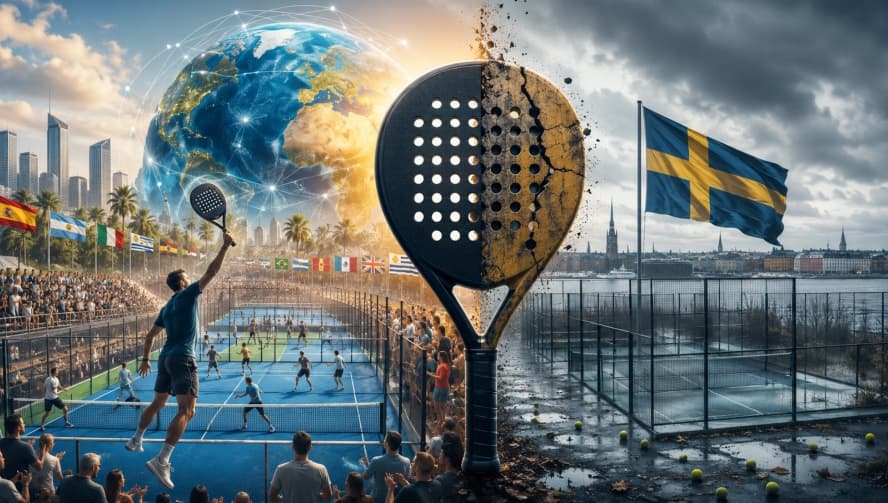
The language of padel also reveals something about the culture. The sport's vocabulary is largely Spanish because the sport's best players, its most prominent competitions, and its deepest playing tradition come from Spain and Argentina. UK padel players who have never visited either country speak a pidgin vocabulary that blends English instruction with Spanish technique terms. That linguistic borrowing is itself a cultural indicator: it signals that padel is a sport with a wider world to it, a professional tier with international prestige, something bigger than a recreational pastime at the local leisure centre.
What Comes Next
The question people ask about padel's cultural reach is whether it lasts. Sports come and go. Squash was once the sport of the professional classes. Badminton had a cultural moment. Pickleball is currently having one in the United States. Are we watching a genuine, lasting cultural shift, or a fashionable peak before a plateau?
The honest answer is that no one knows for certain. But several indicators suggest padel is building durability rather than heading for a crash.
The infrastructure investment is serious and long-term. Courts are not built to be dismantled. The companies spending millions on padel facilities across the UK are not gambling on a trend. They are betting on a market.
The youth engagement is real. Sports that embed themselves in school programmes and junior clubs survive because each generation passes the sport to the next. Padel has reached enough children in enough cities to have started that process.
The social function is irreplaceable. The specific combination of things padel provides, rigorous exercise, enforced social connection, mixed-ability accessibility, and a consistently good time, is not something that another sport is offering in quite the same way. That combination is what keeps people coming back, and it is what will keep the sport's cultural influence alive.
Padel is no longer a sport that some British people play. It is a thing that some British people are. That is a different proposition entirely. The court is just where it starts.